International guidelines outline best practices for researchers using routinely collected health data, ensuring accuracy and reliability in medical research.
The increasing availability of routinely collected health data (RCD) is revolutionizing the landscape of medical research. These datasets, generated from everyday healthcare operations such as electronic health records, offer a wealth of information to address critical questions about health and disease more efficiently. However, researchers often face challenges due to limited knowledge about how this data was generated or controlled during collection.
To address these issues, an international research consortium has recently published a groundbreaking guide on the use of RCDs. This comprehensive document is the first of its kind, providing clear and detailed standards for researchers to ensure the accuracy and reliability of their findings. By setting new benchmarks in quality control, this guide aims to enhance the credibility and applicability of studies utilizing routine health data.
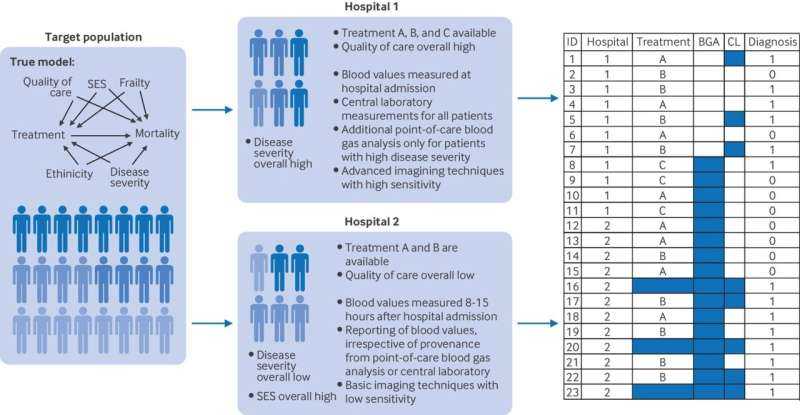
The guide covers various aspects including data governance, privacy protection, and methodological rigor. It emphasizes the importance of transparency in data provenance—tracking the origin and history of the data—to ensure that researchers can fully understand its context and limitations. Additionally, it provides practical recommendations for managing biases and ensuring representativeness across diverse populations.
This initiative not only benefits medical research but also contributes to broader public health efforts by fostering trust among stakeholders. As more institutions adopt these guidelines, the quality and impact of research utilizing routine health data are expected to significantly improve, ultimately leading to better-informed healthcare policies and practices.