
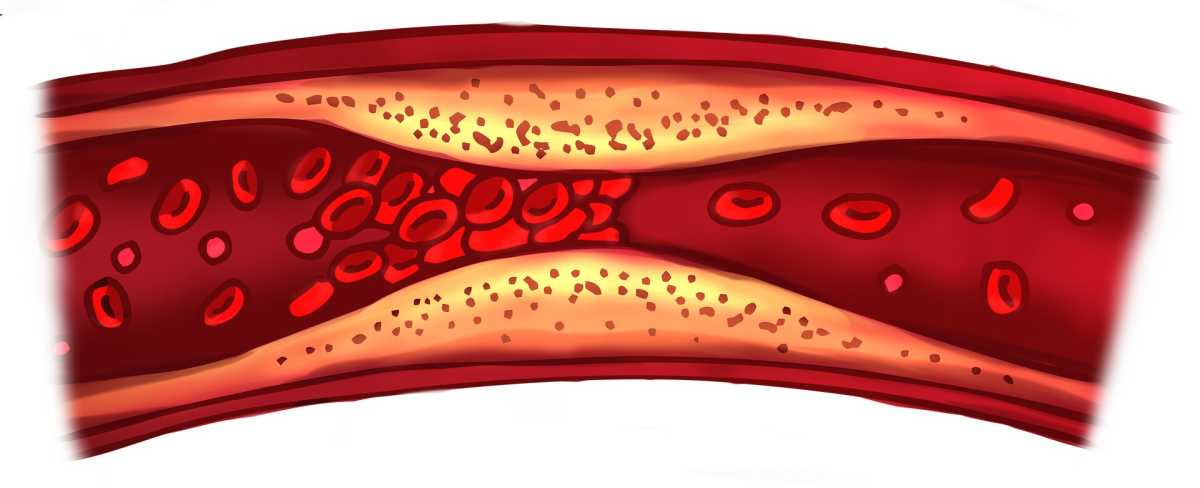
New genetic research from Northeastern University could help predict which patients with peripheral artery disease are at risk for limb amputation, potentially saving lives.
New genetic research from Northeastern University has the potential to revolutionize how doctors diagnose and treat peripheral artery disease (PAD), a condition that affects millions of Americans. Peripheral artery disease is characterized by narrowed or blocked arteries in the legs, arms, and pelvis due to plaque buildup, which can lead to serious complications like limb loss.
According to the American Heart Association, approximately 150,000 leg amputations are performed annually in the United States as a result of PAD. However, current medical practices often lack the ability to accurately predict which patients with this condition will require such drastic interventions. This is where Northeastern University's recent discovery comes into play.
In a study published in the International Journal of Molecular Sciences, researchers identified 38 suggestive genetic variations that may increase the likelihood of limb amputation among PAD patients. These genetic traits were already known to be associated with various bodily functions, including blood vessel structure and inflammatory regulation.
Saeed Amal, a research professor at Northeastern University's Roux Institute and one of the co-authors of the study, emphasized the significance of this finding: "This is powerful because you won't have to wait for symptoms. We can intervene before patients start suffering, potentially preventing amputations altogether."
The researchers performed a genome-wide association study (GWAS) using data from NIH's All of Us Research Program. GWAS involves surveying DNA samples and identifying specific genetic markers that are more common in individuals with certain diseases. By comparing these markers to those without the disease, the team was able to pinpoint 38 variations that may be linked to a higher risk of limb amputation.
Michael Wilczek, a professor at Northeastern University who assisted with data set development and validation, highlighted the importance of this research: "This lays the foundation for more targeted health care treatments. It's critical for tailoring disease prevention and treatment based on personalized data."
While these findings are promising, Amal acknowledged that further validation is needed. The study relied solely on NIH data, limiting its generalizability. He plans to collaborate with other healthcare providers across the country to validate their results using more comprehensive datasets.
If successful, this research could lead to earlier interventions for PAD patients at high risk of limb amputation. By identifying these individuals early, doctors may be able to provide timely treatments that prevent the need for major surgeries or even amputations.
As Amal noted, "We want to provide medications or procedures that will prevent amputations." This approach not only saves lives but also reduces the financial burden on healthcare systems and improves patients' quality of life.


