
Researchers use prime editing to correct a disease-causing mutation in the SCN1A gene, reducing fever-induced seizures and improving survival rates in a mouse model of inherited epilepsy.
Epilepsy is a complex neurological disorder that can have many causes, including genetic mutations. One such mutation is found in the SCN1A gene, which plays a crucial role in transmitting electrical signals in the brain. This mutation can lead to a form of inherited epilepsy known as GEFS+, characterized by febrile seizures that often begin in early childhood. Current treatments for inherited epileptic disorders typically involve medications that reduce the frequency of seizures but can have side effects and may not be effective for all patients.
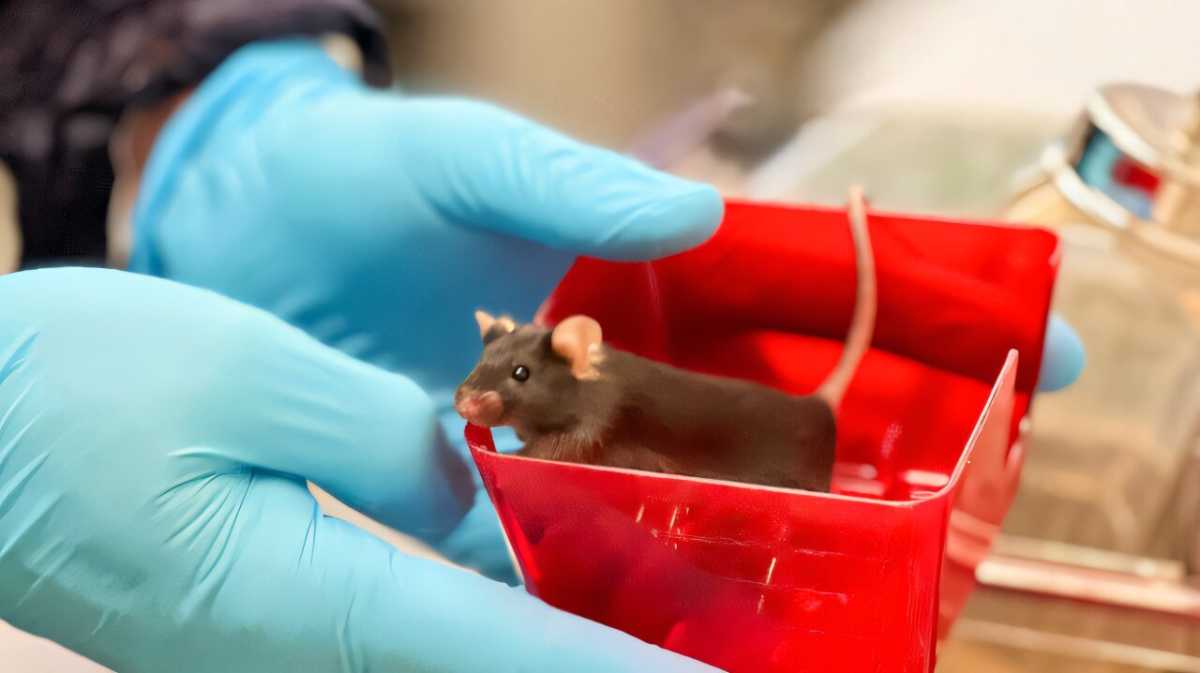
A research team at the University of Zurich has made a significant breakthrough in the treatment of hereditary epilepsy. Using a mouse model of GEFS+, the team successfully treated the condition by correcting the disease-causing mutation in the SCN1A gene directly in the brain cells of the mice. This approach, known as prime editing, is a precise gene editing method that allows for the correction of isolated genomic errors without severing the DNA completely. The researchers applied prime editing to mice carrying the same SCN1A mutation found in patients with GEFS+, which resulted in a significant reduction in fever-induced seizures and improved survival rates.
The study's findings are highly promising, as they demonstrate the potential for prime editing to treat inherited epilepsy by correcting the root cause of the disease. Unlike conventional gene therapies, which deliver an extra copy of the gene, prime editing corrects the faulty sequence directly in the brain cells. This approach preserves the body's natural gene regulation mechanisms and may have implications for the treatment of other neurological diseases caused by single genetic mutations. The researchers believe that their findings open up new perspectives for the treatment of SCN1A-linked epilepsy and potentially other conditions.
The research team, led by professors Gerald Schwank and Hanns Ulrich Zeilhofer, used a mouse model of GEFS+ to test the effectiveness of prime editing in correcting the disease-causing mutation. The results showed that the treatment improved communication between nerve cells, significantly reduced the frequency of febrile seizures, and increased the survival of the animals. The study's co-first authors, Lucas Kissling and Francesca Pietrafesa, the prime editing technique is particularly well-suited for nerve cells, which are difficult to access with conventional gene editing methods.
The study's findings have been published in the journal Science Translational Medicine, and the researchers are hopeful that their work will pave the way for future treatments of inherited epilepsy. While the results are still preclinical and based on a mouse model, they demonstrate the potential for prime editing to revolutionize the treatment of neurological diseases. As the field of gene editing continues to evolve, it is likely that we will see new and innovative approaches to treating a range of conditions, including inherited epilepsy.
In conclusion, the successful treatment of hereditary epilepsy in a mouse model using prime editing is a significant breakthrough in the field of neuroscience. The study's findings demonstrate the potential for gene editing to correct the root cause of neurological diseases, rather than just managing their symptoms. As researchers continue to explore the possibilities of prime editing and other gene editing techniques, we may see new and effective treatments for a range of conditions, including inherited epilepsy.


