CAR T-cell therapy emerges as a game-changing treatment with potential to revolutionize cancer care. Learn how it works and its future implications.
CAR T-cell therapy is rapidly emerging as one of the most promising breakthroughs in modern oncology, with leading researchers describing it as a "game-changer" in the global fight against cancer. Professor Misty Jenkins, an immunologist at the Walter and Eliza Hall Institute of Medical Research, called the therapy: "A game-changer... I really feel like we've just scratched the surface on what's possible." Her statement reflects growing global optimism as CAR T-cell therapy moves from experimental trials into real-world cancer treatment success stories. The treatment gained renewed international attention after Hollywood actor Sam Neill, best known for Jurassic Park, revealed his stage-three cancer is now in remission following CAR T-cell therapy in a clinical trial in Sydney. His recovery has placed a global spotlight on immunotherapy and accelerated public interest in next-generation cancer treatments.
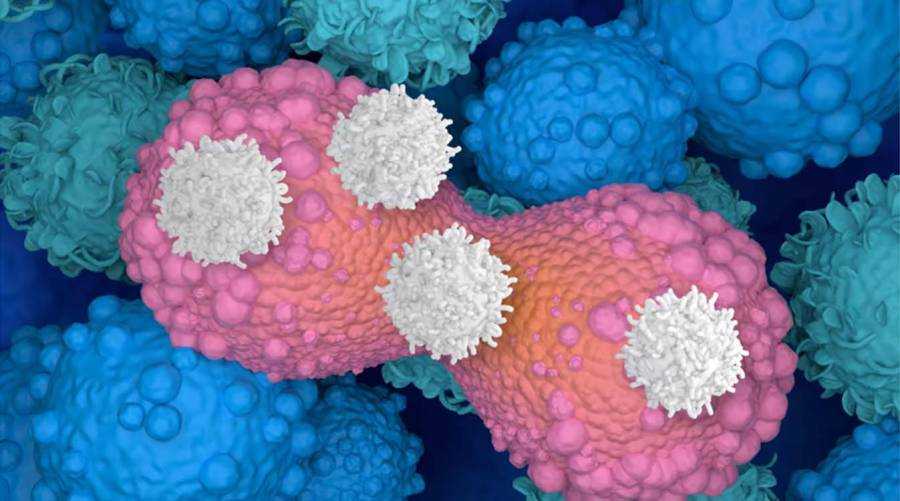
What Is CAR T-Cell Therapy? CAR T-cell therapy (Chimeric Antigen Receptor T-cell therapy) is a cutting-edge form of immunotherapy that reprograms a patient's immune system to attack cancer cells. In this process: T-cells are extracted from a patient's blood. They are genetically engineered to recognize cancer cells. The modified T-cells are then reinfused into the body to target and destroy tumors.
Professor Jenkins described the mechanism as: "A GPS system" allows immune cells - especially cytotoxic "killer" T-cells - to precisely locate and eliminate cancerous cells. Dr. Criselle D'Souza from the Peter MacCallum Cancer Centre described CAR T-cells as a revolutionary "living drug": "It's like a living drug. In theory, it can last in a patient forever if memory is created."
Unlike chemotherapy, which must be repeatedly administered, CAR T-cells can persist in the body long-term, potentially preventing relapse in some patients. A landmark example often cited is Emily Whitehead, the first child treated with CAR T therapy in 2012, who has remained cancer-free.
Blood Cancer Success vs Solid Tumour Challenges Associate Professor Maté Biro from the Garvan Institute of Medical Research highlighted the contrast between blood and solid cancers: "Tackling many blood cancers is like shooting fish in a barrel compared to solid tumours, where they have to storm a formidable fortress." Blood cancers are easier targets because engineered T-cells circulate freely in the bloodstream. However, solid tumors such as brain, breast, and prostate cancers remain difficult due to physical barriers and immune suppression inside tumor environments.
Next-Generation CAR T Innovations Researchers are now working on enhancing CAR T-cell therapies to overcome current limitations. Prof Jenkins noted: "What we can also do now is start to enhance the T-cells to then also secrete drugs or antibodies into the microenvironment." This could make immune cells more aggressive and effective against resistant cancers. Even more revolutionary is the development of in vivo CAR T-cell therapy, where the body generates CAR T-cells through injection - similar to vaccination. Dr Biro added: "This could reduce the cost of therapy by an order of magnitude or more."
Cost and Access Challenges Despite its promise, CAR T-cell therapy remains expensive, with treatments costing over AUD 200,000 - 500,000 per patient. However, Australia recently expanded access to Carvykti, a CAR T therapy for multiple myeloma, now available in public hospitals. Experts warn that without local investment in manufacturing infrastructure, countries like Australia - and by extension developing nations such as Pakistan - risk being left behind in this medical revolution. Prof Jenkins emphasized: "These breakthroughs can only happen when therapy expertise and infrastructure already exists to manufacture and deliver them."
Global Scientific Outlook Dr Biro summarized the global sentiment: "Hope is warranted, but so is impatience." And Prof Jenkins concluded with optimism: "It's such an exciting time for cancer immunotherapy... we've just scratched the surface."