Discover how engaging in activities like puzzles and knitting can significantly reduce the risk of dementia, as it's now the leading cause of death in Australia.
Dementia is now the leading cause of death in Australia, according to recent health statistics. This sobering fact underscores the urgent need for preventive measures that could help mitigate this growing public health concern.
Research increasingly suggests that certain hobbies and activities can play a crucial role in reducing the risk of dementia. Engaging in mentally stimulating tasks such as puzzles, crosswords, and even knitting has been shown to enhance cognitive function and delay the onset of age-related cognitive decline.
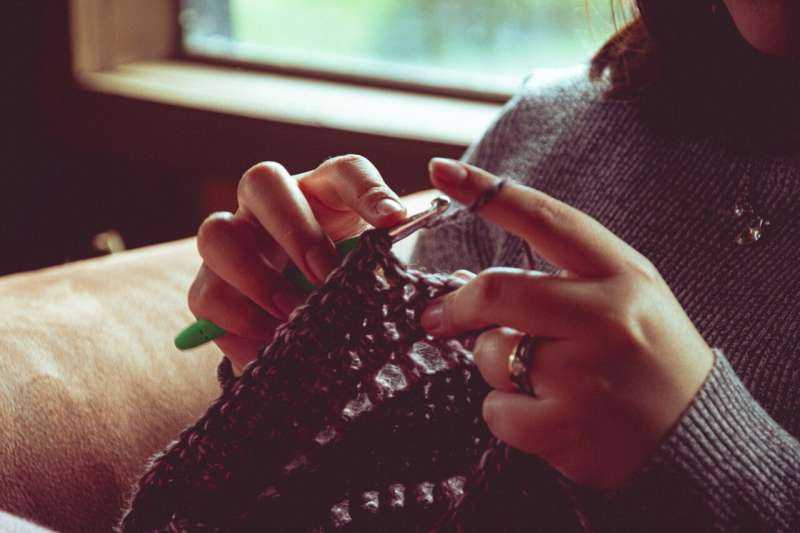
For instance, studies indicate that regular engagement in complex mental exercises like solving puzzles can improve memory retention and processing speed. Similarly, activities such as knitting or crocheting involve intricate hand movements and pattern recognition, which can help maintain neural pathways and promote brain health.
Moreover, these hobbies offer social benefits, providing opportunities for interaction with others who share similar interests. Social engagement is another key factor in maintaining cognitive function and overall well-being. Participating in group activities or clubs centered around these hobbies not only combats loneliness but also fosters a sense of community and support.
Incorporating such activities into daily routines can be an enjoyable and effective way to contribute to long-term brain health. As the Australian population continues to age, promoting awareness about the preventive benefits of engaging in mentally stimulating hobbies could prove invaluable in addressing this pressing public health issue.