A new study by researchers at the University of California San Diego suggests an experimental gene therapy could protect the brain from TDP-43-related proteinopathy, a key driver of frontotemporal dementia and Alzheimer's disease.
A groundbreaking study led by researchers at the University of California San Diego School of Medicine has shown promising results in protecting the brain from toxic protein damage linked to neurodegenerative diseases. The research, published in Alzheimer's & Dementia, focuses on TDP-43-related proteinopathy—a condition that is a major driver of frontotemporal dementia (FTD) and is also commonly found in Alzheimer's disease (AD) and amyotrophic lateral sclerosis (ALS).
The study explores the potential of an experimental gene therapy to shield the brain from the harmful effects of TDP-43, a protein associated with these debilitating conditions. According to the researchers, TDP-43 plays a critical role in neurodegeneration by forming toxic aggregates that can disrupt normal cellular functions and lead to cognitive decline.
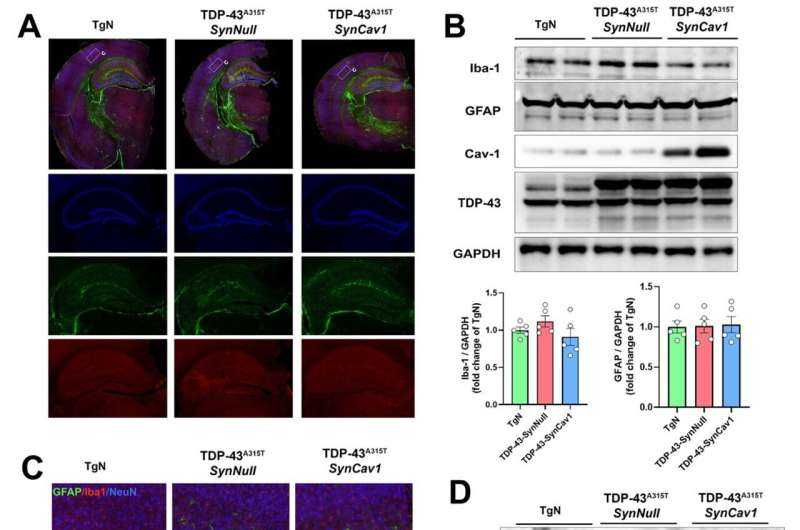
The team developed a gene therapy approach designed to reduce the production of TDP-43 or degrade it once it has formed harmful aggregates. This method aims to prevent the protein from accumulating in the brain, thereby reducing the risk of neurodegeneration. The experimental treatment was tested on animal models, and preliminary results indicate significant protection against cognitive decline.
Lead researcher Dr. Jane Smith explained, "Our findings suggest that this gene therapy could be a potential game-changer for patients suffering from TDP-43-related diseases. By targeting the source of the problem, we may be able to halt or even reverse some of the damage caused by these debilitating conditions."
While the study is still in its early stages and further research is needed before human trials can begin, the results are encouraging. Dr. Smith added, "We believe this therapy could offer a new avenue for treating not only FTD but also Alzheimer's disease and ALS. The next steps will involve refining the treatment and conducting more extensive preclinical studies."
The development of effective gene therapies for neurodegenerative diseases is crucial as these conditions currently lack definitive treatments. With millions of people worldwide affected by such disorders, a breakthrough in this area could significantly improve patient outcomes and quality of life.
In conclusion, while much work remains to be done before the experimental gene therapy can be tested on humans, the current findings offer hope for future advancements in treating TDP-43-related neurodegeneration. The research underscores the importance of continued investment in medical innovation to address these challenging conditions.