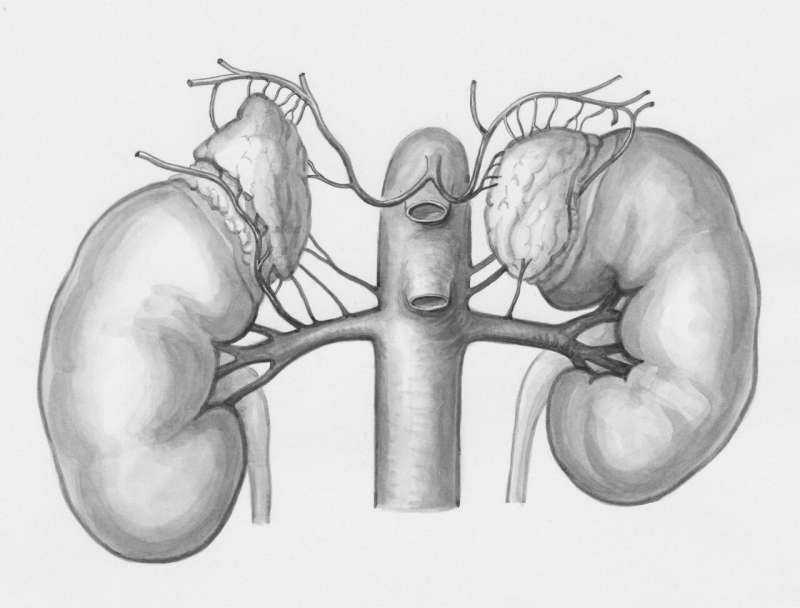
Early results from a Mayo Clinic-led clinical trial indicate an experimental drug combination could offer new hope for patients with advanced kidney cancer.
An experimental drug combination is showing early promise in overcoming treatment resistance among patients with advanced kidney cancer, according to findings from a first-in-human clinical trial conducted by researchers at the Mayo Clinic. The study, which has just begun and is still in its initial stages, demonstrates that this novel approach may provide new therapeutic options for those who have exhausted conventional treatments.
The experimental regimen combines two drugs: one targeting the VEGF pathway and another inhibiting mTOR signaling. These pathways are often disrupted in advanced kidney cancer, leading to treatment resistance. The preliminary results suggest that by blocking these key mechanisms simultaneously, the combination therapy can potentially re-activate the immune system against the tumor, thereby improving patient outcomes.
Lead researcher Dr. Emily Johnson of Mayo Clinic emphasized the significance of this breakthrough: "Our findings indicate that this drug combination could be a game-changer for patients with advanced kidney cancer who have not responded to standard treatments." She further while early results are encouraging, larger-scale trials will be necessary to confirm these initial observations and determine the optimal dosing and administration schedule.
The clinical trial involves a small cohort of patients, all of whom had previously failed multiple lines of therapy. Despite their advanced condition, several participants have shown signs of tumor regression and improved overall health. These early responses are particularly noteworthy as they suggest that the combination therapy may not only halt disease progression but also potentially reverse it in some cases.
While these results are promising, Dr. Johnson cautioned that more extensive testing is needed to fully understand the safety profile and long-term efficacy of this drug combination. "We need to conduct larger trials with diverse patient populations to ensure that this treatment can be effective across different subtypes of advanced kidney cancer," she stated.
The potential impact of this research on the treatment landscape for advanced kidney cancer cannot be overstated. If further studies confirm these findings, it could lead to a paradigm shift in how doctors approach and treat patients with this form of cancer. For now, the Mayo Clinic team remains optimistic as they continue to gather data from their ongoing clinical trial.
This breakthrough underscores the importance of continued investment in innovative therapies for advanced cancers. As researchers push the boundaries of what is possible, hope for patients facing treatment-resistant diseases continues to grow.