Millions of Americans are currently taking GLP-1 medications, such as Ozempic or Wegovy, to achieve significant weight loss. However, a concerning side effect of this treatment is the loss of muscle mass. Unlike fat, which can be regained relatively quickly, muscle loss is a more persistent issue, and its consequences can be far-reaching. The loss of muscle mass can lead to decreased strength, reduced mobility, and a range of other negative effects on overall health.
Muscle loss during GLP-1 weight-loss treatment is a pressing concern, as it can undermine the overall benefits of the treatment. While GLP-1 medications have been shown to be highly effective in promoting weight loss, the accompanying muscle loss can have deleterious effects on patients' quality of life. Researchers have been working to identify strategies to mitigate this muscle loss, and a recent discovery has shed new light on this issue.
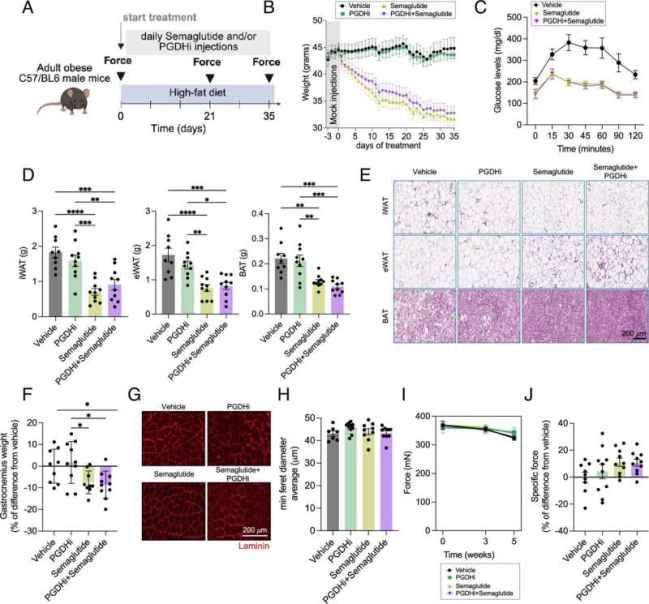
Researchers have found that an existing drug can enhance muscle repair during GLP-1 weight-loss treatment in mice. This breakthrough has significant implications for the millions of Americans taking GLP-1 medications, as it suggests that muscle loss may not be an inevitable consequence of this treatment. By identifying a drug that can promote muscle repair, researchers may be able to develop new strategies to preserve muscle mass in patients undergoing GLP-1 weight-loss treatment.
The discovery of a drug that can enhance muscle repair during GLP-1 weight-loss treatment is a promising development, and further research is needed to fully explore its potential. As researchers continue to investigate this issue, they may uncover new ways to minimize the negative effects of muscle loss and maximize the benefits of GLP-1 weight-loss treatment. Ultimately, this research could lead to the development of more effective and sustainable weight-loss treatments that prioritize not only fat loss but also overall health and well-being.