
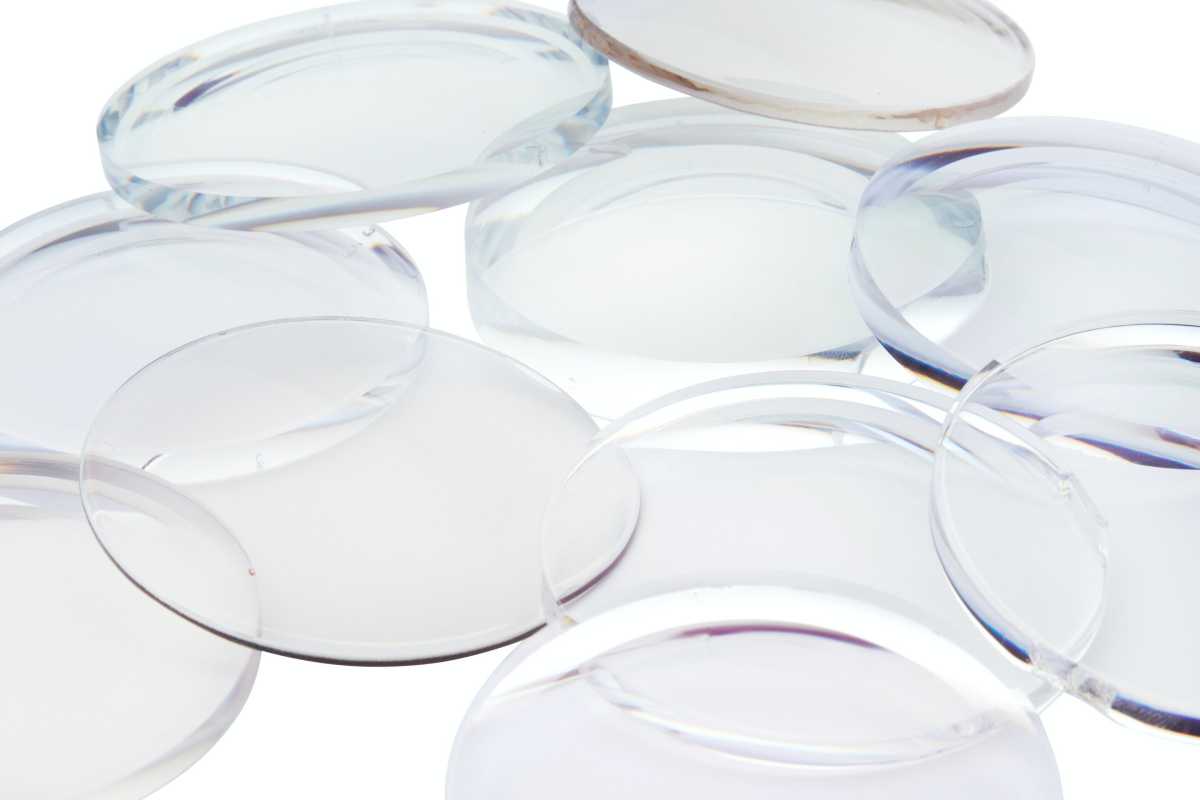
Scientists have developed contact lenses capable of treating depression in mice as effectively as anti-depressant medication, using brain-stimulating technology.
Scientists at Yonsei University have created a groundbreaking innovation that could revolutionize the treatment of depression. The research team has designed soft, transparent contact lenses equipped with in-built electrodes that deliver mild electrical signals to specific brain regions associated with mood disorders. These contact lenses are the first of their kind to be used as a non-invasive method for treating depression.
Publishing in Cell Reports Physical Science, the study demonstrates that mice experiencing depressive symptoms showed significant improvements after three weeks of treatment using these contact lenses. The researchers compared four groups of mice: those without any treatment, depressed mice given traditional anti-depressants like fluoxetine (Prozac), and depressed mice treated with the contact lenses.
The contact lenses utilize a technique called temporal interference to stimulate targeted brain regions through the retina. This method ensures precise activation of specific circuits within the brain, as opposed to broader electrical impulses that can be less effective or cause side effects. The researchers tested their design on mice with induced depression and found that the lens treatment led to behavioral improvements comparable to those seen in mice treated with fluoxetine.
Behavioral assays, electrophysiological recordings, and biomarker measurements revealed that the contact lenses restored connectivity between the hippocampus and prefrontal cortex regions of the brain. This restoration was accompanied by a reduction in inflammatory molecules within the brain, lower blood corticosterone levels, and increased serotonin levels—key markers associated with depression.
The study's senior author, Jang-Ung Park, emphasized the potential transformative impact of this technology: "Our work opens up an entirely new frontier of treating brain disorders through the eye. We believe this wearable, drug-free approach holds tremendous promise for transforming how depression and other mental health conditions are treated."
While current treatments such as drugs, electroconvulsive therapy, and brain implants target specific brain regions associated with mood regulation, Park's team aimed to explore a less invasive pathway by leveraging the anatomical connection between the eye and brain. The researchers tested their contact lenses on mice with induced depression and found that they reduced depressive symptoms effectively.
The next steps for this technology involve making it fully wireless, testing its long-term safety in larger animals, and personalizing stimulation for individual users before moving towards clinical trials in humans. Park noted, "Like any new medical technology, our contact lenses will need to go through rigorous clinical evaluation in patients before reaching the market."
This research represents a significant advancement in non-invasive brain treatment methods and could pave the way for more personalized and effective therapies for depression and other mental health conditions.


