
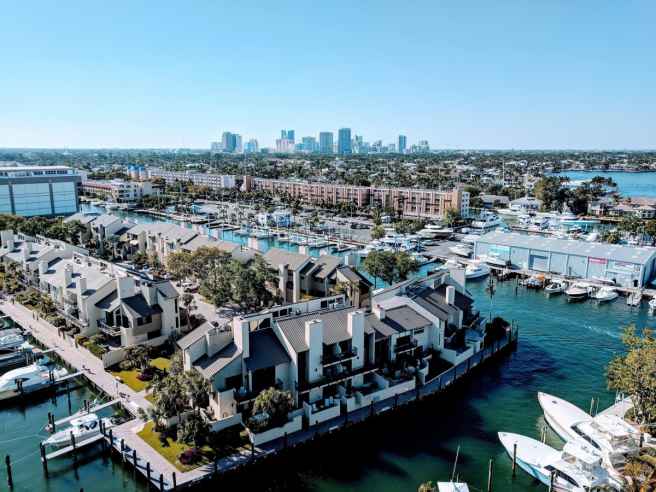
Routine high-tide flooding in coastal communities may lead to thousands of deaths among older adults by the end of the century, a new study reveals, highlighting the need for infrastructure improvements and planning.
Routine high-tide flooding in coastal communities could become a deadly threat to older adults by the end of the century, according to a new study. The research, published in The Lancet Planetary Health, projects that without significant adaptation, premature deaths among adults aged 65 and older linked to high-tide flooding could increase 43-fold by 2100. This phenomenon is often viewed as a nuisance rather than a danger, but it can have severe consequences, particularly for older adults who may experience delays in emergency medical care due to flooding.
The study found that flooding creates significant traffic disruptions that obstruct emergency medical access, which is particularly dangerous for time-sensitive conditions like cardiac arrest. Researchers identified three major findings: a growing crisis, with nearly 10,000 additional deaths annually among older adults in coastal U.S. regions by 2100, economic impact, with monetized damages associated with these premature deaths potentially reaching $1.1 trillion by the end of the century, and the eight-minute threshold, where seniors living in areas with more than an 8.85-minute drive to the nearest hospital are especially vulnerable to these flood-induced delays.
The findings are a wake-up call for coastal communities, particularly in Florida, which stands at the epicenter of the issue due to its large older population and extensive low-lying coastline. By 2060, Florida could account for 24% to 38% of all high-tide flooding deaths in the coastal contiguous U.S., with an estimated 360 to 1,590 annual fatalities. The study's lead author, Mathew Hauer, emphasized that the demography, geography, and climate change all combine to account for a large percentage of these anticipated deaths.
The researchers recommend three critical steps for coastal communities to mitigate the impact of high-tide flooding: protecting road networks essential for emergency medical access, increasing accessibility by building more critical care facilities in at-risk coastal areas, and managing the retreat of vulnerable populations to areas with better infrastructure and health care access. Implementing these measures could reduce premature deaths by 57%. The study concluded that the economic costs associated with these deaths exceed many other climate-related impacts, making health care infrastructure a priority for policymakers.
The study's findings highlight the need for urgent action to address the growing threat of high-tide flooding to older adults in coastal communities. By taking proactive steps to improve infrastructure and planning, communities can reduce the risk of premature deaths and mitigate the economic impacts of climate change. As Hauer noted, "an ounce of prevention today is worth a pound of cure tomorrow," emphasizing the importance of investing in adaptive infrastructure to prevent these anticipated deaths.
The research team's projections are a stark reminder of the devastating consequences of climate change on vulnerable populations, particularly older adults. The study's recommendations provide a roadmap for coastal communities to take action and reduce the risk of high-tide flooding-related deaths. By prioritizing health care infrastructure and implementing protective measures, communities can help ensure the safety and well-being of their older adult populations.


