Jan Janisch-Hanzlik's life was transformed by a groundbreaking CAR T-cell therapy that not only combats cancer but also addresses autoimmune diseases like multiple sclerosis.
Jan Janisch-Hanzlik, 49, faced the daunting reality of multiple sclerosis (MS) at its worst. The debilitating condition had stripped her of her freedom and forced her to make significant life changes. Once an active nurse, she was compelled to switch to a desk role due to frequent falls that made her fearful of carrying her grandchildren. Her mobility issues were so severe that she moved into a larger house to accommodate a wheelchair, which she feared she might need full-time.
The conventional treatments for MS had failed to provide the relief Jan needed. However, all hope was not lost when she learned about CAR T-cell therapy—a revolutionary treatment originally developed for cancer patients but now showing promise in tackling autoimmune diseases like MS. This innovative approach involves reprogramming a patient's immune cells to target and destroy specific antigens within the body.
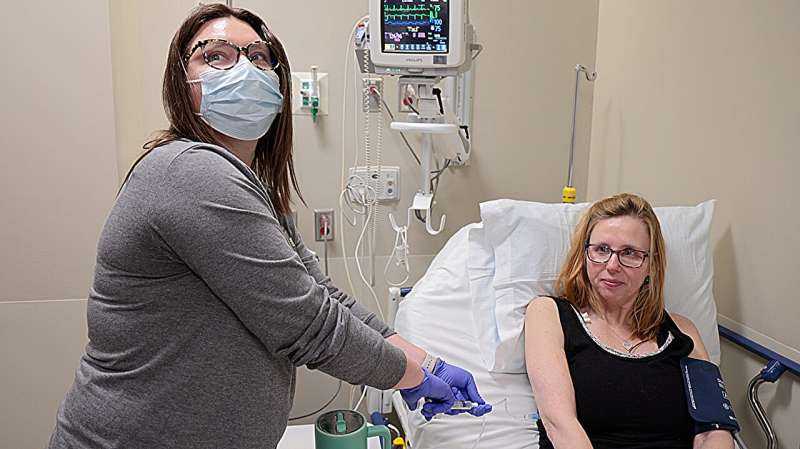
In a clinical trial, Jan became one of the first patients to undergo this cutting-edge treatment. The process involved extracting her T-cells, genetically modifying them to recognize and attack the rogue immune cells responsible for damaging her central nervous system, and then reinfusing these modified cells back into her bloodstream. This reset of her immune system offered a new lease on life.
Within weeks of receiving the CAR T-cell therapy, Jan noticed significant improvements in her symptoms. The frequent falls ceased, and she regained confidence to interact with her family without fear. Her move from a desk job back to active nursing was a testament to the transformative power of this technology. Today, Jan is not only living independently but also contributing to the healthcare community once more.
This success story highlights the potential of CAR T-cell therapy in expanding beyond its original scope for cancer treatment. As research continues to advance, it holds promise for millions suffering from autoimmune diseases like MS. The future looks bright as this technology paves the way for personalized and effective treatments that can reset immune systems to combat a wide range of conditions.