
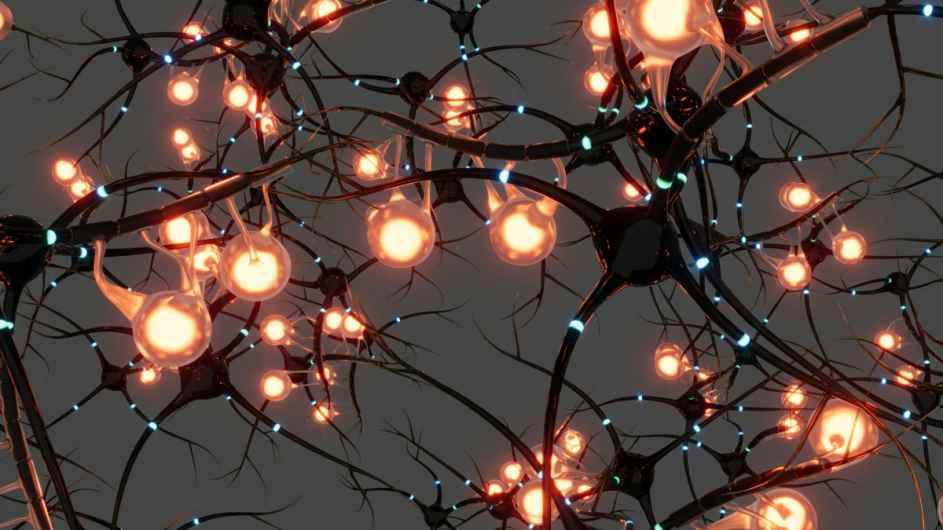
Researchers develop a custom-built biological wire to bypass broken brain connections, potentially treating neurological disorders and boosting resilience to stress.
Broken or disrupted circuits in the brain contribute to many neurological disorders, and current treatments often rely on long-term medication or external stimulation. However, a new technology developed at Duke University School of Medicine may offer a more targeted approach. Researchers led by Kafui Dzirasa have created a custom-built biological "wire" that allows scientists to create new electrical connections between carefully chosen neurons, effectively bypassing broken brain connections.
This technology, called LinCx, enables selective, long-lasting changes in how defined brain circuits function, unlike existing tools that often influence many cells at once. The study, published in Nature, demonstrates the potential of this approach to edit brain circuitry and understand how neural networks give rise to behavior. By introducing a way to plug in new electrical connections with cellular-level precision, the researchers have made a major step forward in the ability to modify brain circuitry.
The technology is based on proteins originally found in fish that naturally form electrical synapses. Using protein engineering, the researchers redesigned these molecules to dock only with a matching engineered partner and not with native brain proteins. Laboratory screening identified pairs with high specificity that reliably passed electrical signals between cells. The team demonstrated the system's versatility in both worms and mice, showing that adding new connections altered temperature-seeking behavior in worms and strengthened communication within specific circuits in mice.
The potential applications of this technology are significant, as it may be able to improve on existing tools without requiring external stimulation. The researchers plan to test whether LinCx is powerful enough to override synaptic deficits induced by lifelong genetic disruptions. If successful, this technology could offer a new treatment approach for neurological disorders, boosting resilience to stress and improving overall brain function.
The development of LinCx is a significant breakthrough in the field of neuroscience, as it provides a new tool for precisely controlling communication between specific cell types. Unlike drugs, electrical stimulation, and optogenetics, which typically affect broad populations of cells, LinCx offers a more targeted approach. The researchers believe that this technology has the potential to revolutionize the treatment of neurological disorders, and they are eager to explore its possibilities further.
In the future, the researchers plan to continue testing and refining LinCx, with the ultimate goal of developing a new treatment approach for neurological disorders. With its potential to bypass broken brain connections and boost resilience to stress, this technology offers a promising new direction for the field of neuroscience. As the researchers continue to explore the possibilities of LinCx, they may uncover new insights into the workings of the brain and develop new treatments for a range of neurological disorders.
The study's findings have significant implications for the treatment of neurological disorders, and the researchers are hopeful that their work will lead to the development of new and more effective treatments. With the potential to improve brain function and boost resilience to stress, LinCx is an exciting new technology that may offer new hope for individuals affected by neurological disorders.


