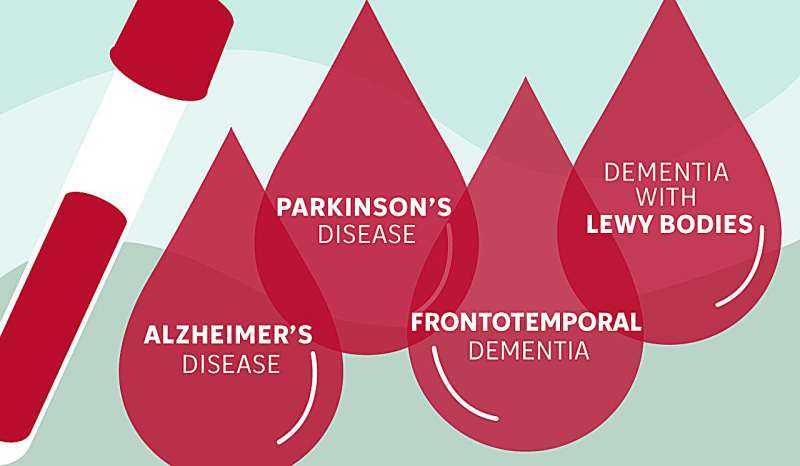
A significant breakthrough has been made in the diagnosis of dementia-related brain diseases, with the development of a blood test that utilizes artificial intelligence to identify four distinct conditions. This innovative tool has shown remarkable accuracy, correctly diagnosing these diseases in 92.3% of cases. The test's high level of precision is a major advancement in the field, as Alzheimer's disease, Parkinson's disease, and related conditions are often challenging to distinguish from one another.
One of the primary reasons why many individuals living with dementia do not receive an accurate diagnosis is the complexity of these conditions. Alzheimer's disease, Parkinson's disease, and other related disorders frequently occur together, making it difficult for healthcare professionals to provide a definitive diagnosis. This can lead to delayed or inappropriate treatment, which can have a significant impact on the quality of life for patients and their families.
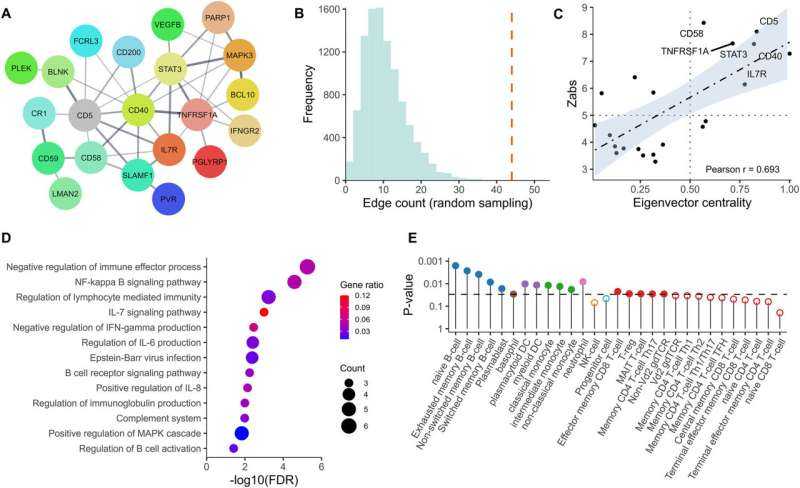
The new blood test, which combines the latest advancements in artificial intelligence with a simple blood draw, has the potential to revolutionize the diagnosis of dementia-related brain diseases. By analyzing the blood sample, the AI-powered tool can identify specific biomarkers that are associated with each of the four conditions. This enables healthcare professionals to provide a more accurate diagnosis, which can lead to more effective treatment and improved patient outcomes.
The development of this blood test is a significant step forward in the fight against dementia-related brain diseases. With its high level of accuracy and simplicity, it has the potential to improve the lives of millions of people worldwide who are living with these conditions. As research continues to advance, it is likely that this technology will become increasingly sophisticated, leading to even more accurate diagnoses and better treatment options for patients.
The future of dementia diagnosis and treatment looks promising, with the integration of artificial intelligence and cutting-edge medical technology. As scientists and healthcare professionals continue to work together to develop innovative solutions, there is hope that one day, dementia-related brain diseases will be a thing of the past.