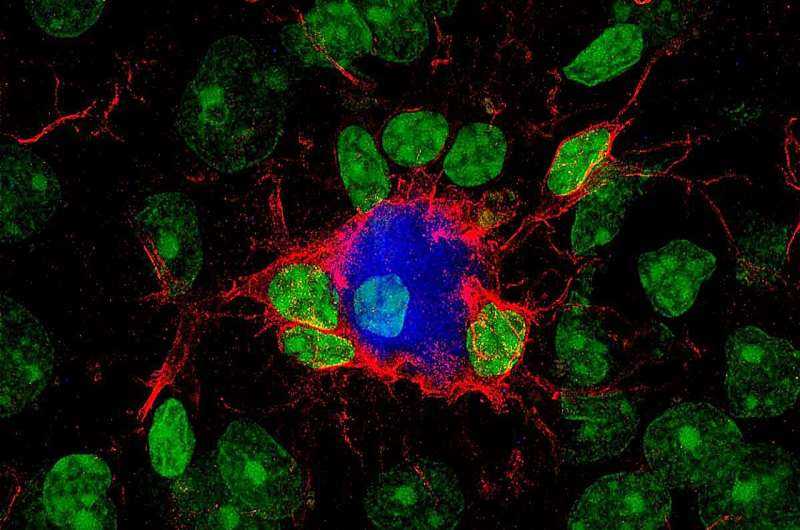
A significant breakthrough has been made in the fight against Alzheimer's disease, as a team of researchers has identified an experimental molecule with the potential to "reprogram" the brain's immune cells. This innovative approach aims to restore the protective function of these cells, which is often impaired in individuals with Alzheimer's disease. The study, which was recently published, highlights the promising effects of the compound, known as OLE, in combating the progression of this debilitating condition.
The brain's immune cells, called microglia, play a crucial role in maintaining the health of the brain by removing harmful substances and toxins. However, in Alzheimer's disease, these cells often become dysfunctional, allowing the accumulation of beta-amyloid plaques, which are toxic to brain cells. The experimental molecule OLE has been shown to help microglia enclose and contain these plaques, reducing their size and toxicity. This process can potentially slow down the progression of Alzheimer's disease and alleviate its symptoms.
The discovery of OLE and its effects on microglia is a major step forward in the development of new treatments for Alzheimer's disease. Current therapies often focus on managing the symptoms of the disease, rather than addressing its underlying causes. The ability of OLE to "reprogram" microglia and restore their protective function offers a new and promising approach to combating this condition. Further research is needed to fully understand the potential of OLE and to explore its potential as a therapeutic agent.
As researchers continue to study the effects of OLE, they are also investigating its potential applications in other neurodegenerative diseases. The discovery of this experimental molecule highlights the importance of continued investment in scientific research and the potential for innovative approaches to lead to breakthroughs in our understanding and treatment of complex diseases like Alzheimer's. With the growing prevalence of Alzheimer's disease worldwide, the development of effective treatments is more urgent than ever, and the discovery of OLE offers new hope for patients and their families.