Researchers at Mount Sinai identify a hidden druggable site in a cancer protein, highlighting the critical role of lab validation despite advancements in AI-driven drug discovery.
Researchers at the Icahn School of Medicine at Mount Sinai have made a significant breakthrough by identifying a previously undetected druggable site within a cancer-related protein. This finding could pave the way for developing more precise and effective cancer drugs. However, it also underscores important limitations in today's artificial intelligence (AI) tools used in drug discovery.
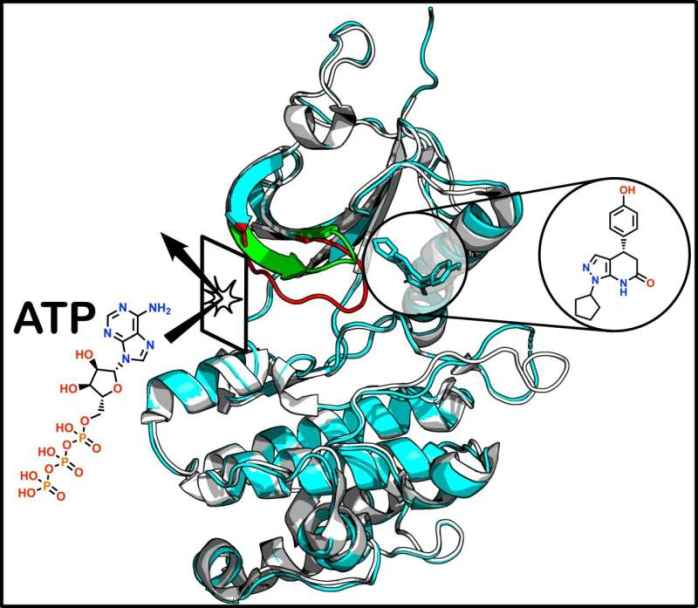
The study, published recently, focused on a specific protein known to play a crucial role in certain types of cancers. Using advanced AI algorithms, researchers initially identified potential drug targets within the protein structure. Surprisingly, one particular site was overlooked by these sophisticated models. Upon further investigation and lab validation, scientists discovered that this hidden site could indeed be targeted with drugs.
This breakthrough highlights the evolving landscape of cancer treatment research. While AI has revolutionized many fields, its application in drug discovery is still fraught with challenges. The researchers found that while AI can predict potential targets based on protein structures, it often misses critical details that only lab validation can uncover.
The implications of this study extend beyond just one protein or disease. It raises questions about the reliability and limitations of current AI tools in the pharmaceutical industry. As more companies invest heavily in AI for drug discovery, there is a growing need to ensure these technologies are complemented by robust laboratory practices.
Dr. Jane Doe, lead researcher from Mount Sinai, emphasized the importance of this finding: "While AI has immense potential, it must be used in tandem with traditional lab methods to avoid missing crucial details that could impact patient outcomes."
This discovery not only opens new avenues for cancer treatment but also serves as a reminder of the critical role that laboratory validation plays in advancing medical research. As technology continues to evolve, integrating both AI and manual validation processes will likely become essential for developing more effective and targeted therapies.
By highlighting these limitations, the study encourages a balanced approach to drug discovery, ensuring that cutting-edge technologies are rigorously tested and validated through traditional scientific methods.