
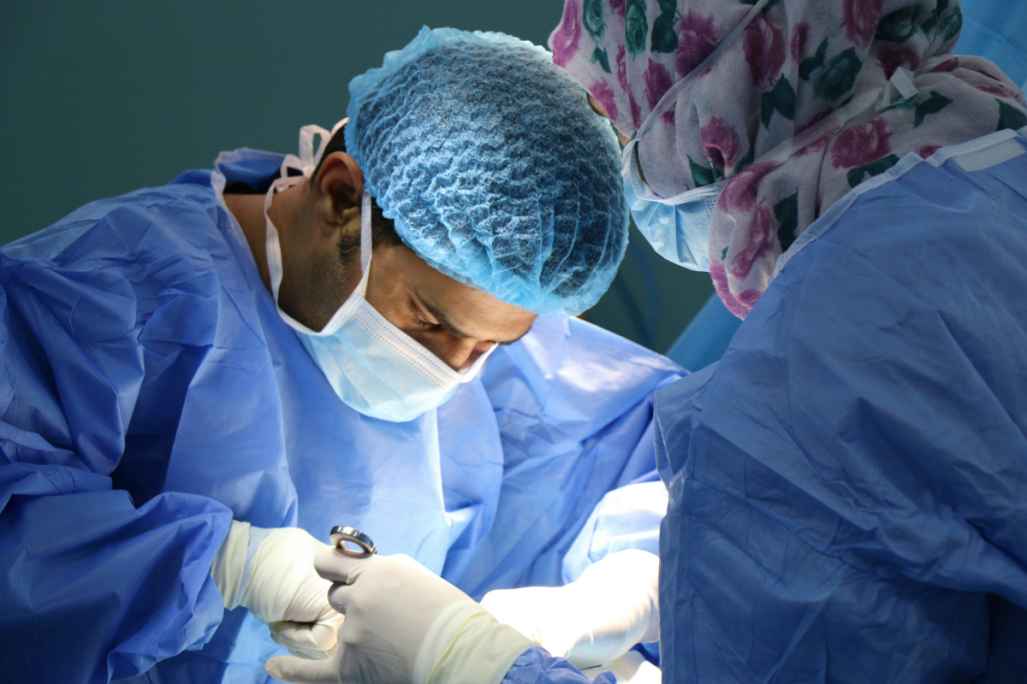
Perioperative medicine is a comprehensive approach to patient care before, during, and after surgery, reducing complication rates and improving health outcomes, according to a special article in Anesthesiology.
Perioperative medicine is emerging as a transformative approach to patient care, one that encompasses the entire surgical journey, from preparation to recovery. This comprehensive method aims to reduce complication rates, shorten hospital stays, and improve overall health outcomes. According to a special article in Anesthesiology, perioperative medicine is a collaborative effort among multiple specialties, including surgeons, anesthesiologists, primary care physicians, nurses, and other specialists.
The perioperative medicine approach involves several key components, including surgical review and risk assessment, steps to optimize the patient's condition before surgery, comprehensive care in the operating room and during recovery, and ongoing patient care and follow-up. By emphasizing teamwork, leadership, communication, and well-being, this approach prioritizes quality of life, function, and experience, rather than just technical success. For patients and families, this translates into earlier and more meaningful preparation for surgery, fewer cancellations and delays, clearer communication among the healthcare team, and reduced complications.
The special article provides updates and consensus on the field from the 2024 and 2025 perioperative medicine stakeholder summits hosted by the American Society of Anesthesiologists' Center for Perioperative Medicine. The article incorporates real-world perspectives from a range of professionals involved in surgical care, from both national and international medical communities. It highlights how perioperative medicine is a practical solution to emerging episode-based and value-based payment models, such as the Centers for Medicare & Medicaid Services' Transforming Episode Accountability Model.
Assessing the economic impact of perioperative medicine interventions will be crucial in implementing value-based surgical care. Health systems will benefit from improvements in care processes and better patient-reported outcomes, making perioperative medicine a system-level investment. Building on their discussions, the summit participants developed a "forward-looking roadmap" to define the future of perioperative care over the coming decade. Successful efforts will require alignment of four integrated pillars: clinical care, education, research, and leadership.
Progress in one area alone will not be enough; lasting improvement will require simultaneous development of workforce training, standardized outcomes research, and effective leadership structures to support multidisciplinary teams. By preparing patients to be healthier before surgery, perioperative medicine provides an opportunity to improve long-term health. As the healthcare system continues to evolve, advancing perioperative medicine will be central to its future, enabling better patient outcomes, improved quality of life, and more efficient use of resources.


