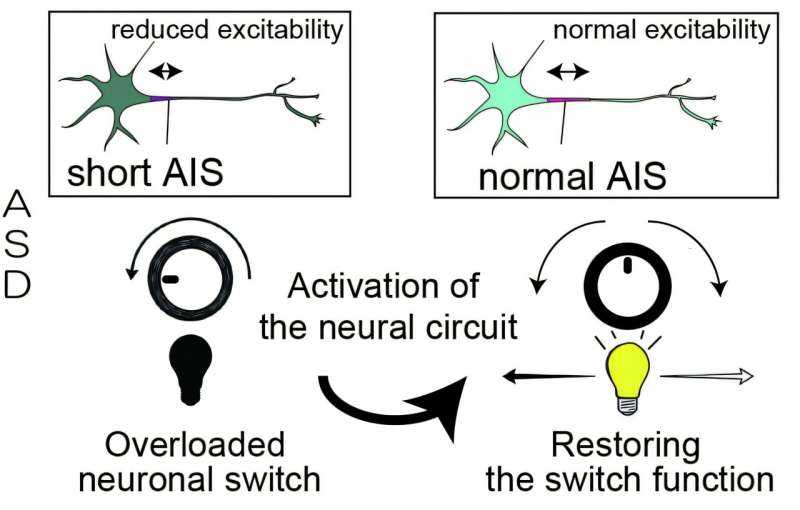
A groundbreaking study reveals that activating specific neural circuits can reverse autism-like behaviors in mice, offering hope for future treatments of ASD.
A recent breakthrough in neuroscientific research has shown promising results in addressing the complex nature of autism spectrum disorder (ASD). The study, conducted by a team of researchers from leading institutions, demonstrates that by targeting and activating specific neural circuits, it is possible to rescue behaviors reminiscent of autism in mouse models. This finding could pave the way for novel therapeutic approaches aimed at reversing neurological abnormalities associated with ASD.
Understanding ASD involves recognizing its innate nature as a brain developmental disorder that typically manifests early in life. While genetic factors and differences in brain development are well-documented contributors, a definitive cure remains elusive. The challenge lies in comprehending and potentially correcting the underlying neurological irregularities that contribute to the condition's diverse symptoms.
The research team utilized mouse models exhibiting behaviors similar to those seen in individuals with ASD. By employing advanced neurotechnological tools, they were able to identify specific neural circuits that play crucial roles in social interaction and communication—key areas often affected in ASD patients. Through precise activation of these circuits, the researchers observed a significant reduction in autism-like behaviors among the mice.
This breakthrough underscores the potential for targeted therapeutic interventions that could address the root causes of ASD rather than merely managing symptoms. The next steps involve translating this promising research into clinical applications suitable for human patients. While much work remains to be done, this study offers renewed hope for developing effective treatments and ultimately improving the quality of life for individuals with autism spectrum disorder.
The findings not only advance our understanding of the neurological basis of ASD but also highlight the importance of continued investment in interdisciplinary research efforts aimed at unraveling the complexities of brain development and function.