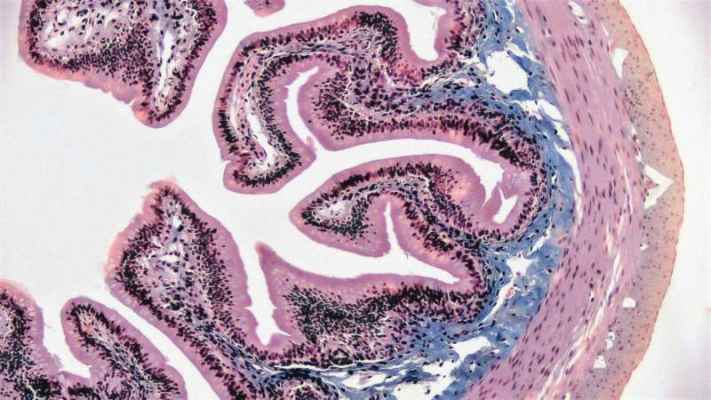
Scientists have mapped out the detailed cellular mechanisms behind inflammatory bowel disease, identifying key genetic factors that influence its risk.
Scientists at the Wellcome Sanger Institute, Open Targets, and Cambridge University Hospitals NHS Foundation Trust (CUH) have unveiled a groundbreaking 2.2 million-cell atlas that provides unprecedented insights into how genetic variation contributes to inflammatory bowel disease (IBD). This comprehensive study, published in Nature, showcases the power of single-cell approaches in understanding complex human diseases.
The research team meticulously analyzed thousands of cells from individuals with and without IBD, revealing specific cellular and genetic drivers of the disease. By examining individual cells rather than bulk tissue samples, they were able to pinpoint the precise mechanisms by which genetic variations impact the immune system and contribute to inflammation in the gut.
This detailed atlas not only identifies key genes involved in IBD but also highlights the diverse roles played by various cell types in the development and progression of the disease. The findings underscore the complexity of IBD, a condition characterized by chronic inflammation of the digestive tract, which can lead to severe symptoms such as abdominal pain, diarrhea, and weight loss.
The study's authors hope that this comprehensive genetic map will accelerate the discovery of new therapeutic targets and improve our understanding of how environmental factors interact with genetics to influence disease risk. By providing a clearer picture of the cellular landscape underlying IBD, researchers can now focus on developing more precise treatments tailored to specific genetic profiles.
This work represents a significant step forward in personalized medicine for IBD patients, offering hope for more targeted therapies and improved patient outcomes. As scientists continue to unravel the intricate interplay between genetics and disease, this atlas serves as a critical resource for advancing our knowledge of inflammatory bowel diseases.