Hailey Bieber discusses her evolving views on Pilates, sharing insights from both personal and professional perspectives. Learn why she thinks it's become a fad.
Hailey Bieber, the influential Gen Z figure behind skincare brand Rhode, has recently expressed that Pilates might be "a little over." In an interview with Time shared on May 6th, Bieber acknowledged her long-standing love for Pilates but noted its transformation into a trendy fitness trend. She stated, "I really do love Pilates, but it's become a bit of a fad and finding good teachers who care about form is challenging."
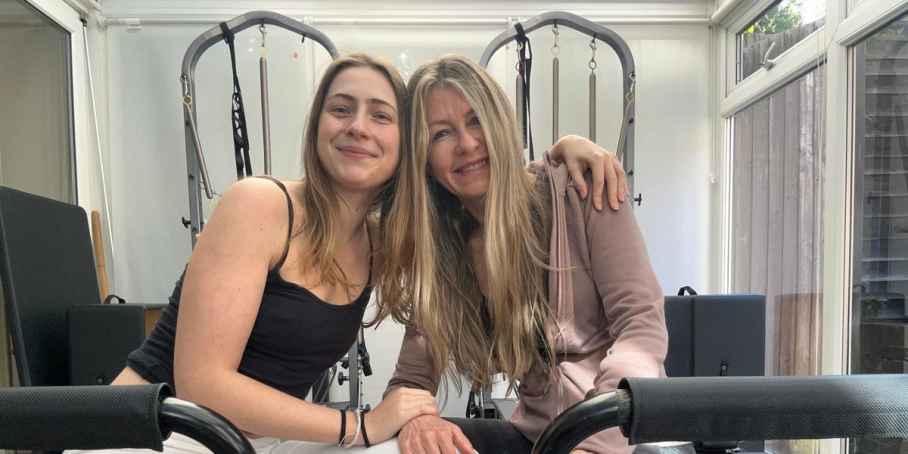
This sentiment resonates with my own experience growing up in the shadow of a Pilates teacher mother. Growing up, I was exposed to the discipline from an early age, attending teen Pilates classes for two years before transitioning to reformer exercises as an adult in 2024. These practices have significantly enhanced my physical awareness and strength.
Pilates is indeed a low-impact form of resistance training that focuses on precise movements designed to strengthen core muscles and stabilize joints. It teaches individuals how to move efficiently, which can be particularly beneficial for athletes or those recovering from injuries. The method emphasizes six core principles: breath control, centering, concentration, control, precision, and flow.
However, the TikTok version of Pilates that Bieber mentions has become more popular in recent years. This contemporary interpretation often prioritizes intensity and speed over traditional form and technique. Heather Andersen, a seasoned Pilates instructor with 20 years of experience, explains this shift: "The real magic of Pilates is teaching people how to use their bodies well, which carries into all aspects of life."
Andersen's perspective highlights the importance of adhering to Pilates' foundational principles for genuine benefits. She notes that many studios now offer reformer classes without emphasizing these core elements, leading to a broader understanding of "Pilates" as simply another form of fitness rather than its intended rehabilitative and mindful practice.
My mother, Alison Ashton, who has been attending Pilates classes almost daily since her 60th birthday, agrees with Andersen's concerns. She observes that some instructors are focusing too much on intensity without ensuring proper alignment or technique. "I'm seeing people just going through the motions," she says. "They're not really connecting deeply with their bodies."
For those interested in Pilates, finding a qualified and experienced instructor is crucial. While there isn't an official governing body for Pilates certification, third-party accreditation programs require extensive training. A comprehensive 600-hour certification program, like Andersen's, provides the deep understanding necessary to teach effectively.
A good teacher should not only know how to perform exercises but also understand human anatomy and biomechanics. They must be able to observe students' form, provide corrections, and guide them towards proper alignment over time. As my mother emphasizes, a great Pilates instructor will make you feel more connected to your body rather than just exhausted.
Ultimately, while Hailey Bieber's perspective reflects her personal experience with the discipline, it also underscores the need for quality control in the Pilates industry. With its growing popularity and potential for rapid expansion, maintaining authenticity and proper technique remains essential for those seeking genuine benefits from this mindful practice.