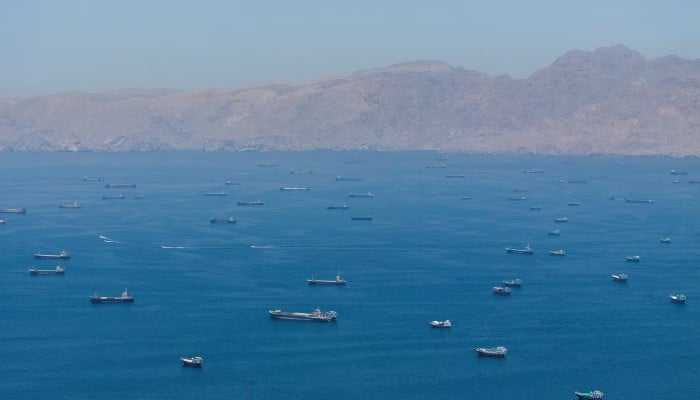
Oil prices jumped over 3% after Iran's Revolutionary Guards targeted a US airbase, sparking concerns about supply constraints and escalating tensions in the region, with Brent crude futures rising to $97.8 a barrel.
Oil prices experienced a significant surge on Thursday, with Brent crude futures rising by $3.51, or 3.72%, to $97.8 a barrel, and the more active August contract gaining $3.35, or 3.63%, to $95.6. This increase came in response to Iran's Revolutionary Guards targeting a US airbase, as reported by the news agency. The attack was reportedly a retaliation for a US attack near Bandar Abbas airport, which had occurred earlier in the day.
The US West Texas Intermediate futures also saw a substantial increase, rising by $3.31, or 3.73%, to $91.99. This surge in oil prices comes after a decline of over 5% in the previous session, which was sparked by hopes of a potential US-Iran deal to end their war and reopen the Strait of Hormuz. However, the latest developments have raised concerns about the supply of oil and the potential for further escalation in the region.
The US military had launched new strikes in Iran, targeting a military site that officials believed posed a threat to US forces and commercial maritime traffic in the strait. This move has been seen as a significant escalation of tensions between the two countries, and has sparked fears about the potential impact on oil supplies. As ANZ commodity strategist Daniel Hynes noted, "Oil supply remains constrained, and key sticking points have yet to be resolved."
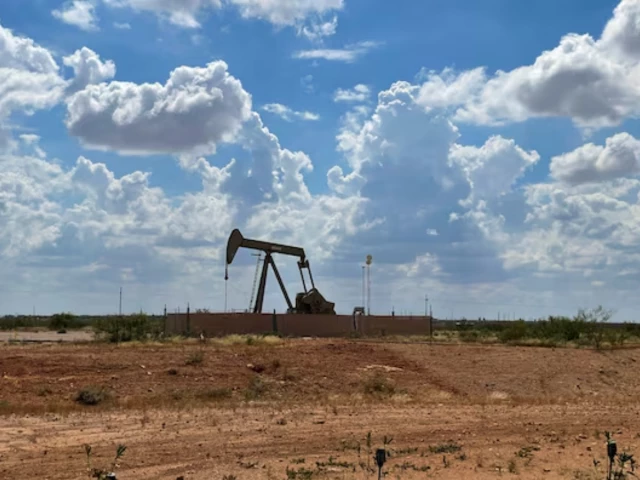
In the US, crude oil stockpiles fell by 2.8 million barrels last week, marking the sixth straight week of declines, according to data from the American Petroleum Institute. Official inventory data from the US Energy Information Administration is due to be released on Thursday, although it has been delayed by a day due to the Memorial Day holiday. The decline in oil stockpiles has added to concerns about the supply of oil, and has contributed to the surge in prices seen on Thursday.
The situation in the region remains highly volatile, with the potential for further escalation in tensions between the US and Iran. As such, oil prices are likely to remain highly sensitive to any developments in the region, and may continue to experience significant fluctuations in the coming days. The latest surge in oil prices serves as a reminder of the ongoing risks and uncertainties in the global oil market, and the need for close monitoring of developments in the region.