Global oil prices decline as markets react to a potential broader peace agreement between Lebanon and Israel, amid ongoing talks for Iran nuclear deal.
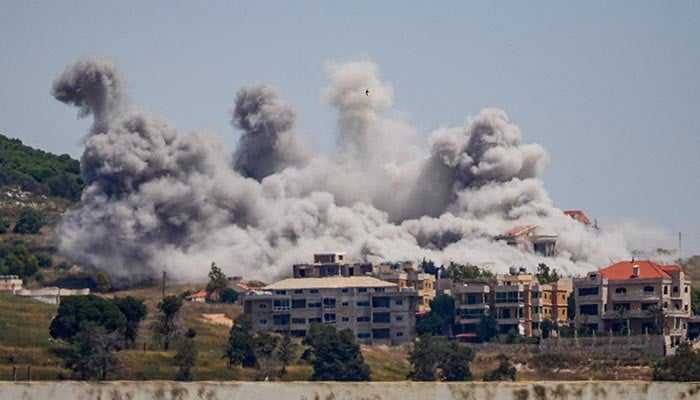
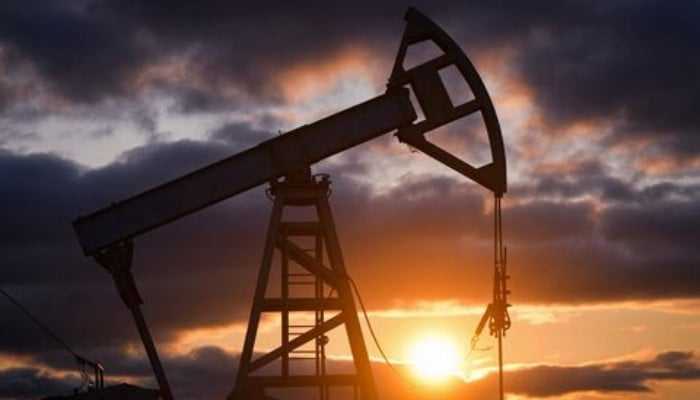
Oil prices experienced a modest retreat on Wednesday following a brief but significant downturn in tensions between Lebanon and Israel. According to, Brent crude futures dropped by 0.89%, while West Texas Intermediate (WTI) fell 0.81% from recent gains. The market's reaction underscores the impact of geopolitical developments on energy prices.
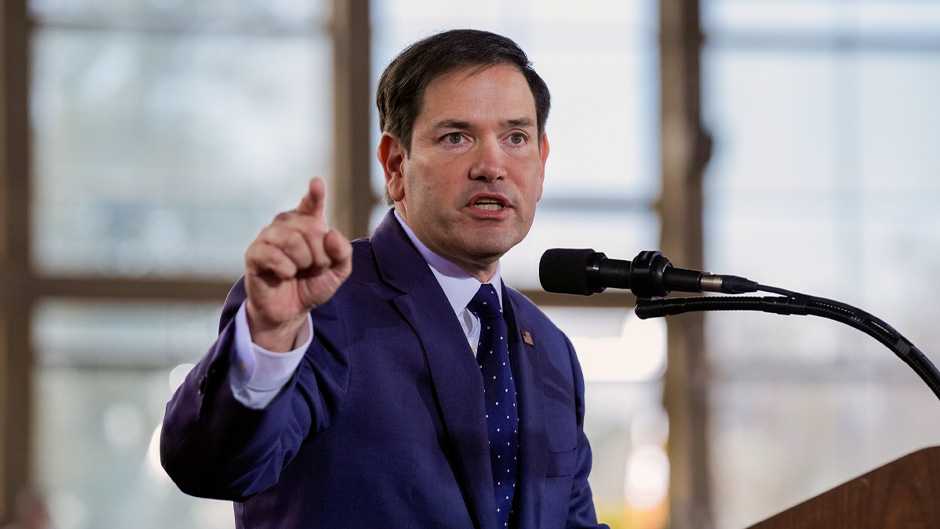
In related news, U.S. President Donald Trump expressed optimism that talks with Iran could yield results by this weekend. "There are good signs and we're hopeful for progress," he stated during a press briefing. These remarks come as both sides continue to engage in negotiations aimed at resolving the ongoing nuclear dispute.
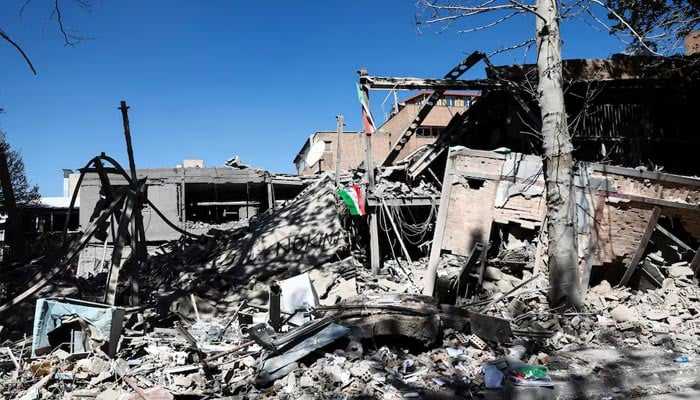
Meanwhile, Iran's deputy foreign minister for Arab affairs, Saeed Jalili, indicated that contacts with the United States remain open but have stalled. "We are ready to resume dialogue if the conditions are right," he said during a press conference in Tehran. The suggest that while there is potential for movement, significant challenges still lie ahead.
The fluctuation in oil prices reflects not only the immediate impact of reduced tensions between Lebanon and Israel but also broader geopolitical uncertainties surrounding Iran's nuclear program. Analysts predict that any sustained peace agreement could lead to increased regional stability, potentially reducing demand for oil as trade and economic activities pick up.
As markets continue to monitor developments closely, investors remain cautious, balancing optimism with ongoing concerns over the complex negotiations and potential geopolitical risks.