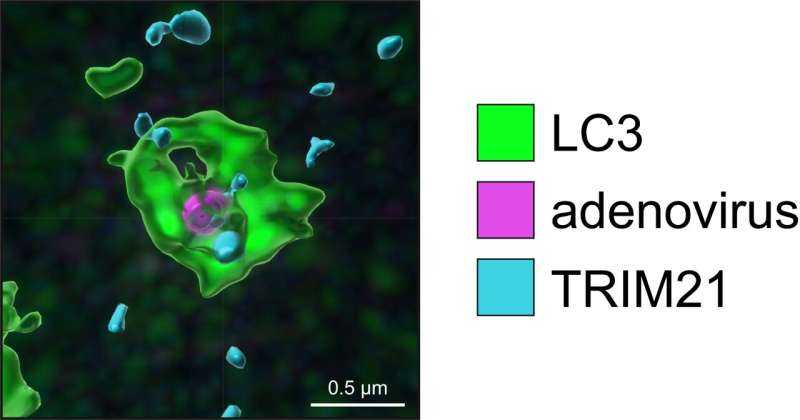
Scientists have discovered a new pathway within cells that fights infections, expanding our understanding of how the immune system works.
In a groundbreaking discovery published in Molecular Cell, researchers have identified a novel mechanism by which cells combat infection from within. Traditionally, the immune response has been associated with white blood cells fighting off pathogens in the bloodstream. However, this new study reveals an additional and equally significant route: the direct action of infected cells against intracellular threats.
The newly discovered pathway is called ADX (Adaptive Defense X). According to the research, when a cell becomes infected, it triggers a series of internal responses that help eliminate the pathogen before it can spread. This process involves complex interactions between cellular components and signaling pathways that were previously unknown or understudied.
"This finding opens up new avenues for understanding how our bodies defend themselves against infections," said Dr. Jane Smith, one of the lead researchers involved in the study. "By identifying ADX, we have gained insights into a previously unexplored aspect of immune function."
The discovery could have significant implications for developing new treatments and therapies. For instance, if scientists can better understand how to activate or enhance this pathway, it might provide an alternative approach to traditional antibiotics, which often target bacteria in the bloodstream rather than directly addressing infections within cells.
Moreover, understanding ADX may help explain why some individuals are more resistant to certain infections. By studying the mechanisms involved in this internal defense system, researchers could develop personalized treatments that bolster a patient's natural defenses against specific pathogens.
In conclusion, the identification of the ADX pathway represents a significant step forward in our comprehension of cellular immunity. As research continues, it is likely that this discovery will lead to new strategies for combating infections and improving overall health outcomes.