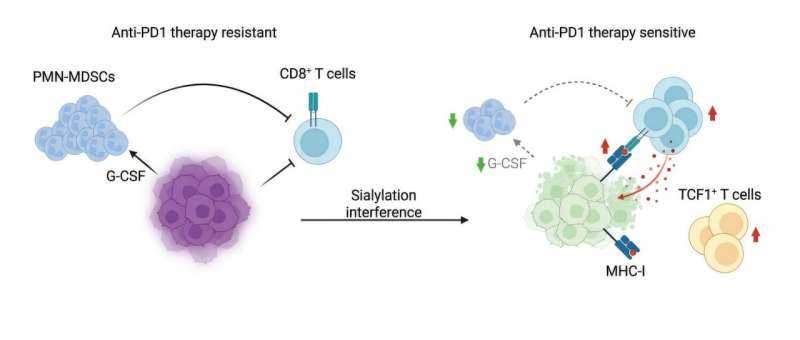
Researchers from the Medical University of Vienna have discovered how breast tumors avoid the immune system using sugar coatings, potentially opening new avenues for effective immunotherapies.
Immunotherapies such as checkpoint inhibitors have transformed cancer treatment by harnessing the body's own immune system to combat various types of tumors. However, in the case of breast cancer, these therapies often yield limited results. An international research team led by the Medical University of Vienna has now uncovered a previously overlooked mechanism through which breast tumors evade detection and destruction by the immune system.
The study, published recently, reveals that breast tumors utilize sugar coatings to mask themselves from immune cells. These sugars act as a protective layer, effectively hiding tumor cells from the vigilant surveillance of the immune system. By understanding this mechanism, scientists can now develop targeted immunotherapies that disrupt these sugar-based defenses, potentially enhancing treatment efficacy for patients with breast cancer.
This breakthrough comes at a critical time when more effective and personalized treatments are needed to combat the complexities of breast cancer. The findings could lead to new strategies that not only improve current immunotherapy approaches but also pave the way for innovative therapies tailored specifically to overcome this evasion mechanism.
The research team's discovery marks an important step forward in the ongoing battle against breast cancer, offering hope for more effective treatments and improved patient outcomes. With further investigation, these insights could transform how we approach breast cancer immunotherapies, ultimately providing a more robust defense against one of the most common forms of cancer worldwide.