The American Society of Clinical Oncology meeting discusses obstacles in cancer treatment and innovative therapies, including a notable pancreatic cancer study presented by Brian Wolpin.
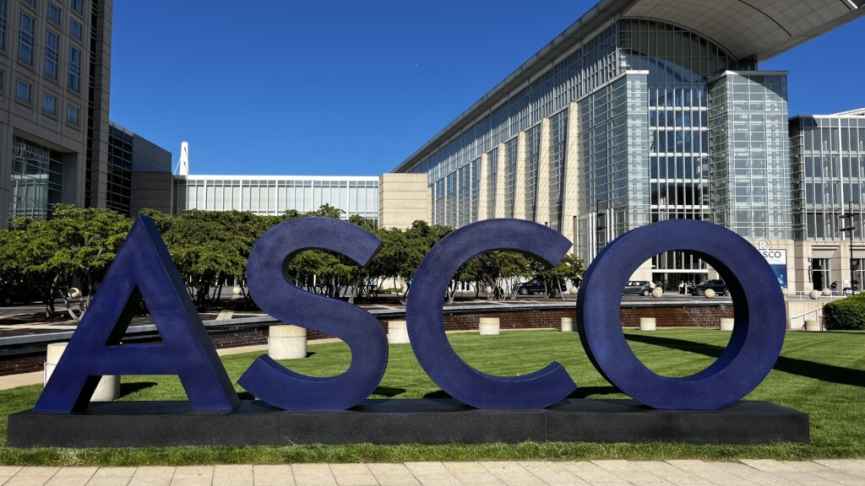
The American Society of Clinical Oncology meeting has come to a close, leaving behind a lasting impression on attendees and presenters alike. One of the most memorable moments came during the plenary presentation on the daraxonrasib pancreatic cancer study, led by Brian Wolpin. The audience's reaction was overwhelming, with a sustained standing ovation that interrupted his remarks. When asked about this moment, Wolpin expressed his emotions, stating that it was challenging to maintain his composure and continue with his presentation.
The significance of this moment cannot be overstated, as it represents the culmination of years of dedication and hard work in the field of pancreatic cancer research. Wolpin's presentation highlighted the importance of perseverance and collaboration in the pursuit of medical breakthroughs. The audience's response was a testament to the impact of his work and the potential it holds for improving patient outcomes.
The ASCO meeting provided a platform for experts to share their findings and discuss the latest developments in cancer care. A major theme that emerged during the conference was the need to address barriers to cancer treatment. Many presentations and discussions focused on the challenges faced by patients and healthcare providers in accessing effective treatments. This includes issues related to affordability, accessibility, and equity in healthcare.
The meeting also showcased innovative therapies and treatments that are being developed to combat various types of cancer. The daraxonrasib pancreatic cancer study is just one example of the groundbreaking research being conducted in this field. As the medical community continues to push the boundaries of what is possible, it is essential to prioritize patient-centered care and ensure that new treatments are accessible to those who need them most.
As the ASCO meeting comes to a close, it is clear that the conversations and discoveries made in Chicago will have a lasting impact on the field of oncology. The event has sparked new ideas, collaborations, and initiatives that will drive progress in the years to come. For those who were unable to attend in person, there is still an opportunity to engage with the content and discussions through virtual recaps and online resources.