Discover what top marketers are looking for in this year's TV upfronts, focusing on measurement, live sports, and flexibility. #TVUpfronts #CMOsGoals
The upcoming TV upfronts, taking place in New York City, represent a pivotal moment for the advertising industry as entertainment giants pitch their content to agency buyers. However, it is the marketers at brands who ultimately control the ad budgets and are driving the conversations this year.
Top marketers shared insights on what they prioritize during these events. Alyson Griffin, head of marketing at State Farm, emphasized that transparency, performance accountability, and buyer-friendly execution have become as important as pricing in today's upfronts. "This upfront feels like a turning point where we're moving towards more transparent and accountable deals," she stated.
Measurement remains a critical concern for CMOs. According to a recent survey by the TV measurement company iSpot, 45% of marketers consider business outcomes the most important factor when deciding which media to purchase. However, only 47% are confident in measuring these outcomes effectively. Seth Meyers' appearance at NBCUniversal's upfront highlights the ongoing challenge: there is no standard way to measure outcomes across the industry.
To address this issue, OpenAP, a joint venture of major US TV networks, has introduced a new standard for connecting data from TV companies about who saw a campaign with advertiser data on user actions. This initiative aims to provide more holistic and actionable metrics beyond traditional measures like impressions or GRPs.
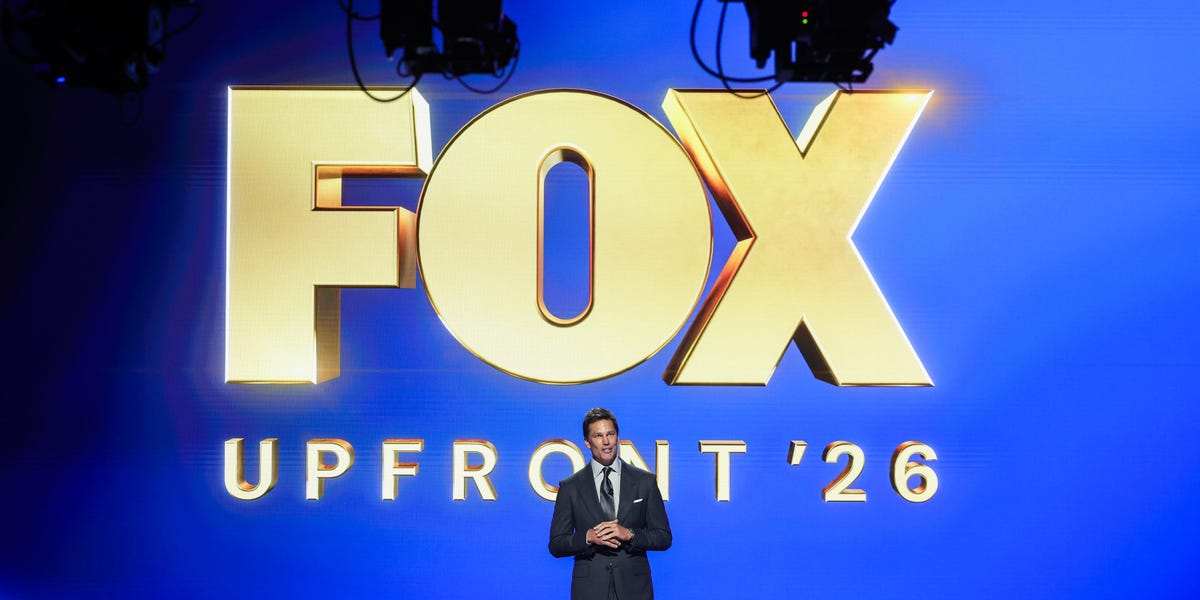
Sports continue to be a dominant force in premium TV programming. The NFL remains at the forefront of this trend, with stars like Tom Brady and Rob Gronkowski making appearances. Additionally, networks are exploring new formats such as pre- and post-game integrations and social media partnerships. Eric Haggstrom from Advertiser Perceptions noted that marketers want to maximize their sports budgets beyond traditional 30-second commercials.
Flexibility is another key concern for CMOs in an uncertain economic climate. Guideline reports that upfronts will account for 24% of the ad market in 2026, down slightly from last year but still a significant portion. Advertisers are seeking more flexibility in deal structures and real-time performance data to justify their TV investments.
Kate Jalkut, VP of integrated marketing and media at GEICO, highlighted the need for agility: "There's a need to be thoughtful about locking in significant spend too early." This sentiment underscores the cautious approach many marketers are taking given geopolitical uncertainties and potential economic challenges.
In summary, this year's upfronts will see CMOs focusing on measurement accuracy, leveraging sports opportunities creatively, and embracing more flexible deal structures. These priorities reflect the evolving landscape of TV advertising and the changing needs of today's marketing professionals.