Rawalpindi and Islamabad markets experience reduced sales of sacrificial animals and Eid shopping as families face diminished purchasing power.
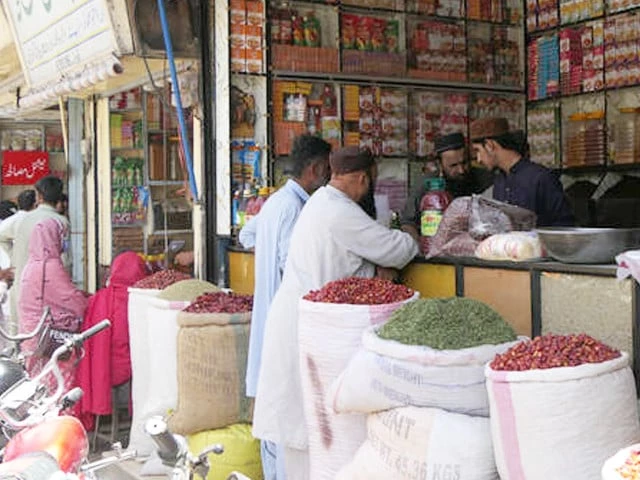
Commercial markets and cattle bazaars across the twin cities of Rawalpindi and Islamabad have witnessed a significant slowdown in business activity ahead of Eidul Azha. Traders reported record-low sales of sacrificial animals, as well as reduced purchases by women and children for Eid shopping. The sluggish trade is attributed to diminished purchasing power among families.
Livestock traders announced substantial price reductions for sacrificial animals during the first three days of Eid after failing to meet expected sales volumes. Despite offers ranging between Rs100,000 and Rs120,000 per individual bull, many traders decided not to sell their animals to butchers. The 12 cattle markets in the region remained crowded from 10pm on Monday until Sehri at around 5am as families accompanied by children visited the bazaars.
However, most prospective buyers returned without making purchases due to reduced purchasing power. Some households managed to buy smaller goats and sheep priced below Rs100,000. The traditional neighbourhood-based collective sacrifice system, known as "shared Qurbani," saw a notable resurgence this year. Individual shares were fixed between Rs40,000 and Rs50,000.
In areas such as Rawat and Kallar Syedan, the sale of animals by live weight failed to stimulate demand. Some quarters openly criticized the practice of purchasing sacrificial animals by weight, describing it as inappropriate and contrary to the spirit of Eidul Azha. By Tuesday evening, prices in five major cattle markets had already been reduced by between 10 and 15 percent.
With expectations of further price declines from midnight onwards into the first day of Eid on Wednesday, many families opted to delay purchases in anticipation of lower rates. During the final pre-Eid trading period, bulls continued selling for between Rs350,000 and Rs500,000, while goats and sheep fetched around Rs150,000. Camels were being sold in the range of Rs800,000 to Rs1 million.
The reduced sales volumes indicate a challenging economic environment for traders as families grapple with financial constraints during this festive season.