Pakistan's trade deficit has widened by 17.5% to $34.8 billion in fiscal year 2026, primarily due to a decline in exports. Despite services export growth, the country remains heavily reliant on imported goods.
Pakistan’s trade deficit surged by 17.5% to reach $34.8 billion during the fiscal year 2026, according to official figures released recently. The primary driver behind this significant increase was a sharp decline in exports, which exacerbated the reliance on imported goods. Exporters faced challenges due to global economic uncertainties and domestic production constraints.
While services exports showed some growth, contributing positively to the trade balance, it was not enough to offset the overall negative trend. According to industry analysts, the reduction in manufacturing output and agricultural exports played a crucial role in widening the gap between imports and exports. The weakening of key export sectors, such as textiles and agriculture, further contributed to this economic imbalance.
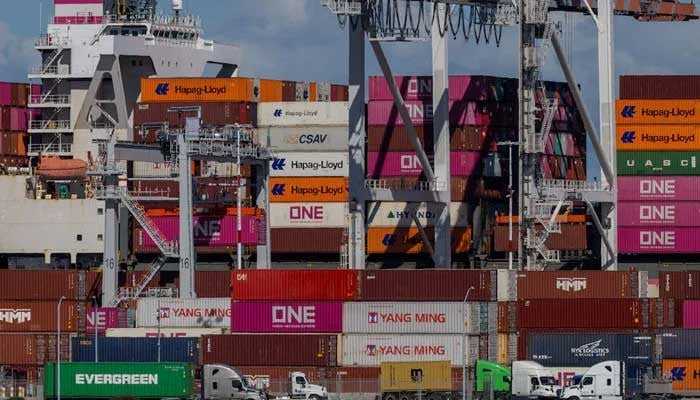
In contrast, imports continued their upward trajectory, driven by increased demand for raw materials and finished goods. This trend highlights Pakistan’s ongoing struggle with balancing its import needs against a faltering domestic production capacity. As the government seeks to address these issues, it is focusing on diversifying export portfolios and enhancing productivity in key industries.
The widening trade deficit has raised concerns about the country's economic stability and its ability to sustain growth without relying heavily on foreign exchange reserves. Experts recommend implementing policies aimed at boosting manufacturing output and improving export competitiveness as a means to mitigate future deficits.