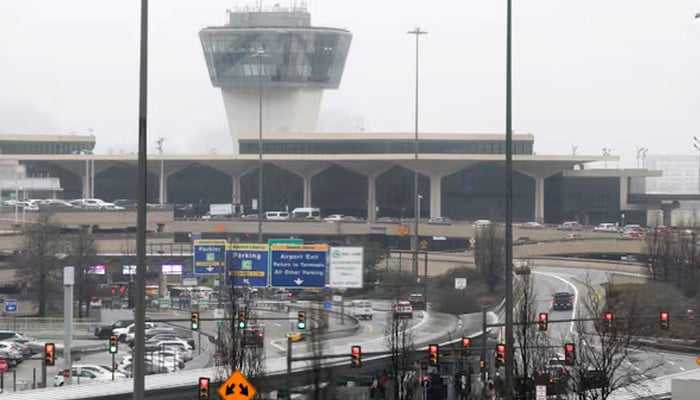
Airlines, travel, and business groups have expressed deep concerns over the potential restrictions on international flights in the US, warning that such a move could lead to widespread chaos. The groups have cautioned that barring border processing at major US airports, such as Newark Liberty International Airport in New Jersey, could have severe consequences, including stranding thousands of tourists and Americans.
The potential restrictions have sparked fears of significant disruptions to the travel industry, with airlines and travel groups warning of severe economic impacts. The groups have argued that restricting international flights would not only harm the travel industry but also have far-reaching consequences for the US economy as a whole. They have urged policymakers to consider the potential consequences of such a move and to explore alternative solutions that would minimize disruptions to the travel industry.
The warnings come as the US government considers new measures to enhance border security and restrict international travel. The proposals have sparked intense debate, with some arguing that they are necessary to protect national security, while others have raised concerns about the potential economic and social impacts. Airlines and travel groups have been at the forefront of the debate, arguing that any restrictions on international flights must be carefully considered and implemented in a way that minimizes disruptions to the travel industry.
As the debate continues, airlines and travel groups are working closely with policymakers to find solutions that balance the need for enhanced border security with the need to protect the travel industry. The groups have argued that it is possible to enhance border security without restricting international flights, and they are urging policymakers to explore alternative solutions that would achieve this goal. With the potential consequences of restricting international flights so severe, it is likely that the debate will continue for some time, with airlines, travel groups, and policymakers working together to find a solution that works for everyone.