

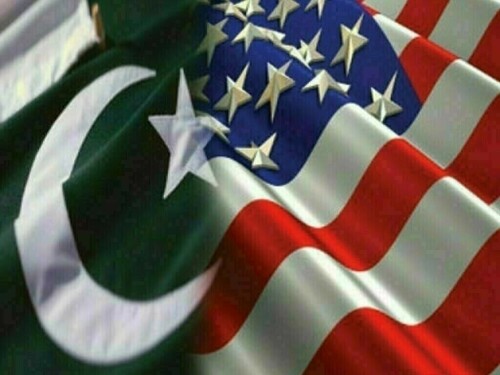
The United States Trade Representative (USTR) has officially launched a sweeping investigation into the trade practices of 60 economies, including Pakistan, focusing on allegations of inadequate enforcement against forced labor. The announcement, made on March 12, marks a significant escalation in Washington’s efforts to align international trade standards with domestic labor protections.
The investigation aims to determine whether foreign governments have failed to implement and effectively enforce bans on the importation of goods produced through forced labor. This massive probe encompasses several of America’s primary trading partners, such as the European Union, China, India, Japan, and Vietnam, signaling a broad-based shift in US trade policy under the current administration.
Ambassador Jamieson Greer, the US Trade Representative under President Donald Trump, emphasized that the lack of effective measures by foreign governments creates an uneven playing field. Greer noted that despite a global consensus against such exploitative practices, many nations have allowed goods produced under duress to enter their markets, granting foreign producers an “artificial cost advantage” that directly undermines American workers and businesses.
The probe is being conducted under Section 301 of the Trade Act of 1974, a legal mechanism that empowers the USTR to investigate and respond to foreign government actions deemed unreasonable or discriminatory toward US commerce. This development follows recent high-level discussions between Islamabad and Washington intended to bolster economic ties, including meetings between Pakistan’s Finance Minister Muhammad Aurangzeb and US Commerce Secretary Howard A. Lutnick.
For Pakistan, the stakes are particularly high. The US remains the country’s largest export market, and the threat of new tariffs could pose significant challenges for domestic industries. Economists recall that a 29% tariff imposed on Pakistani exports last year created immediate liquidity and market access hurdles, suggesting that any further penalties could have a profound impact on the national economy.
The USTR is now set to enter a consultation phase with the identified governments. Public hearings are scheduled for April 28, 2026, with the deadline for written testimony and comments set for April 15. The outcome of these investigations could lead to the imposition of new duties as the administration seeks to protect domestic interests from what it characterizes as the “scourge of forced labor.”
Comments (0)
No comments yet. Be the first to comment!
Leave a Comment