

India-Pakistan Women’s World Cup Match Faces Political Uncertainty
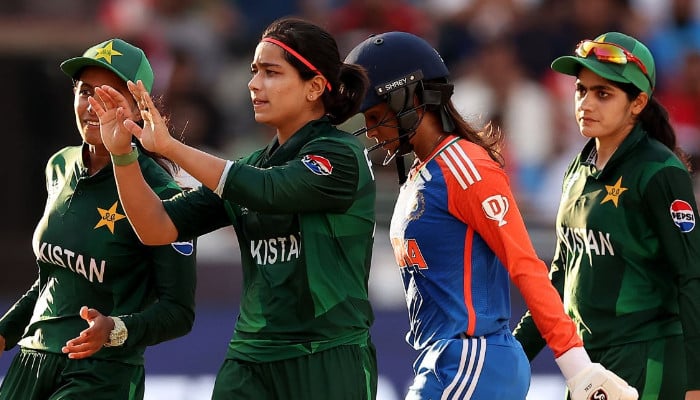
The highly anticipated Women’s World Cup 2025 match between India and Pakistan, scheduled for October 5 in Colombo, is facing potential politicization.
Devajit Saikia, the secretary of the Board of Control for Cricket in India (BCCI), has suggested that the strained relations between the two nations might impact the sporting encounter.
Saikia indicated that there’s no assurance Indian players will engage in customary handshakes with their Pakistani counterparts during the match.
In a discussion with a global news outlet, Saikia referenced the delicate diplomatic situation between India and Pakistan, refraining from guaranteeing standard sporting etiquette.
“I am unable to predict anything definitively. The relationship we have with Pakistan remains unchanged,” Saikia stated. He added, “India will participate in the game against Pakistan in Colombo, adhering to all established cricket protocols. I can confirm that the guidelines stipulated by the MCC regulations of cricket will be followed. However, I cannot provide any assurances regarding handshakes or embraces at this moment.”
These statements follow India’s controversial behavior during the recent Asia Cup, where the men’s team declined to shake hands with Pakistani athletes. They also avoided accepting the winners’ trophy from Asian Cricket Council (ACC) head Mohsin Naqvi due to his Pakistani nationality and delivered politically charged messages in post-game comments and press conferences.
Earlier, Indian journalist Boria Majumdar speculated that the Women’s World Cup match might mirror the Asia Cup scenario, where political tensions overshadowed sportsmanship.
“The contest between India and Pakistan in Colombo will transcend being just a cricket match. It’s an extension of the Asia Cup narrative, merely with a change in gender,” Majumdar posted on X, hinting at possible off-the-field issues and handshake refusals.
This situation has generated concerns that the October 5 game may devolve into a display of political gestures instead of a celebration of cricket.
The Pakistan women’s team, currently in Colombo for the competition, will need to remain focused on their performance despite the tense environment.
This match remains one of the most eagerly awaited of the tournament, primarily due to the surrounding political context rather than purely cricketing factors.
A source inside the Pakistan Cricket Board (PCB) mentioned that PCB chairman Mohsin Naqvi’s guidance to the women’s team is consistent with what was conveyed to the men’s team.
Naqvi had advised the men’s team before the Asia Cup final to express themselves freely on the field, assuring them that the board would manage any external complications.
Comments (0)
No comments yet. Be the first to comment!
Leave a Comment