

Border Closure at Spin Boldak Sparks Humanitarian and Economic Crisis
Nearly three months after deadly clashes forced the closure of land crossings between Pakistan and Afghanistan, thousands remain stranded at Spin Boldak. Students, traders, and families are caught in limbo, unable to return home or continue their livelihoods.
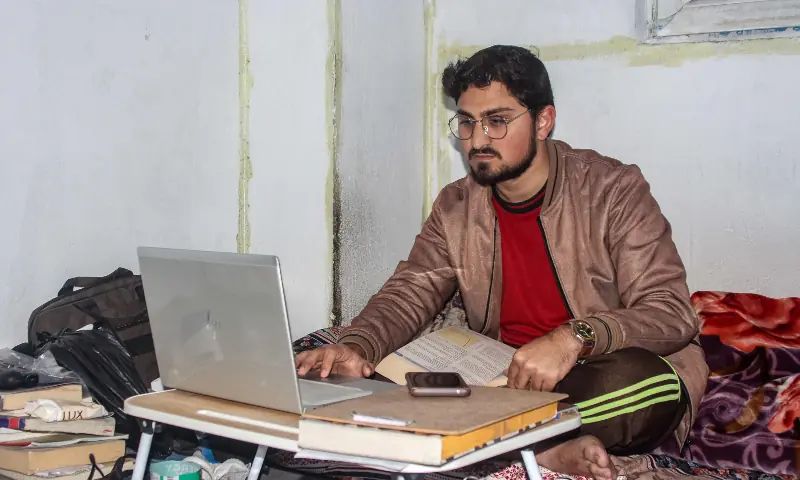
For many, the closure has turned routine travel into an ordeal. Shah Faisal, a 25-year-old medical student in Afghanistan, had hoped to visit his family in Pakistan during winter break. Instead, he and hundreds of others remain stuck, with flights too costly and smuggling routes too dangerous.
Student representatives estimate that 500 to 600 Pakistanis studying in Nangarhar province alone are waiting for a way back. Shah Fahad Amjad, another medical student in Jalalabad, urged both governments to reopen the road so students can reunite with their families.
The crisis affects Afghans as well. Barkat Ullah Wazir, a 23-year-old student in Jalalabad, noted that Afghan students in Pakistan face similar struggles. Visa concerns and financial hardships add to the uncertainty.
The border, stretching over 2,600 kilometers of rugged terrain, has remained largely closed since October 12, 2025, when clashes killed more than 70 people. Pakistan accuses Kabul of sheltering militant groups, while the Afghan Taliban denies the allegations. Mediation efforts have failed, and both sides warn that fighting could resume.
Families caught in the closure describe their displacement. Pakistani shopkeeper Ehsanullah Himmat, who traveled to Kandahar for a wedding, now finds himself stranded with his children. “It is cold, it’s winter, and we are displaced,” he said, relying on relatives for shelter while feeling embarrassed for overstaying.
Truck drivers have also been hit hard. Khan Muhammad, 39, has waited for weeks at Spin Boldak, unable to transport goods or return to Quetta. “In these two-and-a-half months I haven’t loaded even a single kilo of cargo. Work has come to a standstill,” he said.
Pakistan’s foreign ministry reported that nearly 1,200 people have sought help from its embassy in Kabul, including 549 students. By the end of December, just over 300 had managed to fly back. Still, neither government has indicated when the border might reopen.
For those stranded, the Spin Boldak crossing represents more than a blocked road—it is a lifeline. Until it reopens, students remain separated from families, traders lose income, and communities on both sides of the border endure hardship.
Comments (0)
No comments yet. Be the first to comment!
Leave a Comment