

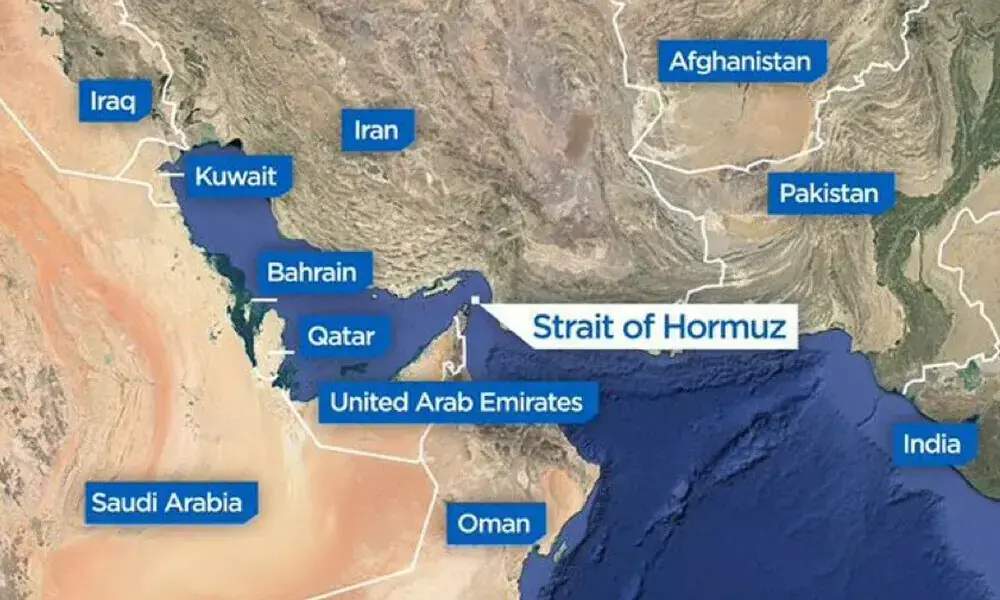
More than twenty nations have publicly stated their commitment to ensuring safe navigation through the Strait of Hormuz, a critical global shipping lane. This collective stance was announced on Saturday, with the countries strongly condemning Iran’s recent actions that have effectively hampered passage. The joint declaration highlighted concerns over attacks on commercial vessels and oil infrastructure, underscoring the strategic importance of the waterway.
In a unified statement, the group of 22 nations, which includes several European countries along with the United Arab Emirates and Bahrain, did not mince words in their criticism. They specifically denounced what they termed recent Iranian assaults on unarmed commercial ships and damage to civilian oil and gas facilities. The statement also pointed to Iran’s de facto closure of the Strait as a serious breach of international norms.
Expressing their resolve, these countries indicated a readiness to participate in coordinated efforts aimed at securing the strait. They welcomed the engagement of other nations already involved in planning such initiatives. This move signals a significant international front forming in response to the escalating tensions and their impact on global energy security.
The disruptions in the Strait of Hormuz have had a tangible effect on global markets, contributing to a sharp rise in energy prices. With approximately 20 percent of the world’s oil and gas typically transiting this vital chokepoint, Iran’s actions have fueled concerns about supply stability. A significant decrease in commodity carrier crossings has been observed since late February, following retaliatory strikes between Iran and its neighbours.
The participating nations also issued a call for an immediate and complete halt to attacks targeting civilian infrastructure, particularly those involved in oil and gas extraction and transport. This collective appeal emphasizes the shared interest in maintaining a secure and open flow of energy resources, essential for the global economy.
Comments (0)
No comments yet. Be the first to comment!
Leave a Comment