

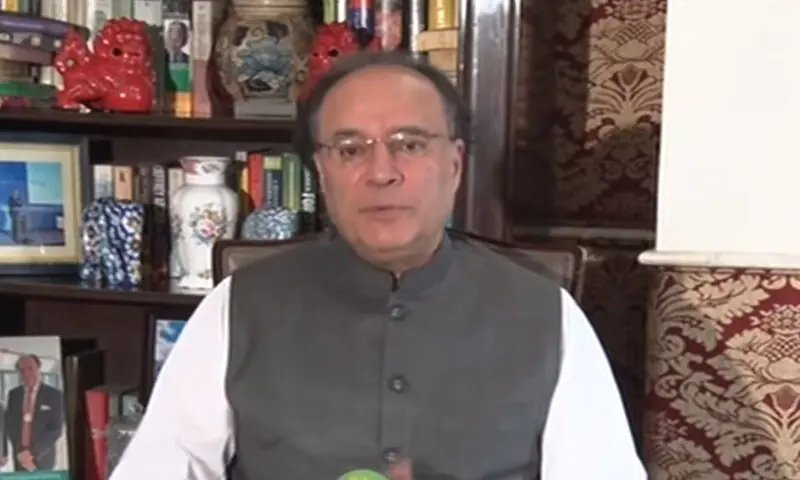
Finance Minister Muhammad Aurangzeb announced Sunday that Pakistan is shifting towards providing “targeted relief” to ensure that aid reaches those most in need. This strategic pivot comes as global fuel prices surge, largely due to escalating tensions and conflict involving Iran. The minister emphasized that the government is committed to mitigating the impact of these price hikes on its citizens.
Aurangzeb referenced Prime Minister Shehbaz Sharif’s recent national address, highlighting the government’s fiscal efforts to absorb a significant portion of the burden. He stated that the government had already allocated 69 billion Pakistani rupees from its own resources to cushion the public. This financial commitment underscores the administration’s resolve to manage the economic fallout from international instability.
Discussions regarding fuel supply security are ongoing, with daily meetings focusing on procurement strategies and logistical challenges. The Petroleum Minister, Ali Pervaiz Malik, assured that all efforts are concentrated on maintaining an uninterrupted supply chain for essential fuels like petrol and diesel. The government is confident about meeting the country’s fuel needs until April, based on current projections and diplomatic engagements.
While hopeful for a swift resolution to regional conflicts, Aurangzeb acknowledged that relying solely on hope is not a viable strategy. He pointed out the potential for prolonged disruptions, given the impact on energy infrastructure, which could extend for weeks or even months. This pragmatic outlook necessitates proactive planning and decisive action to secure the nation’s energy future.
Moving forward, the government plans to implement more sustainable solutions, including demand management, conservation efforts, and the previously mentioned targeted relief programs. This approach aims to acknowledge the reality of Pakistan’s finite resources and the need for structural reforms. The objective is to create lasting solutions that ensure economic stability in the face of global volatility.
Comments (0)
No comments yet. Be the first to comment!
Leave a Comment