
Pakistan’s Defence Orders Signal Reduced IMF Dependence
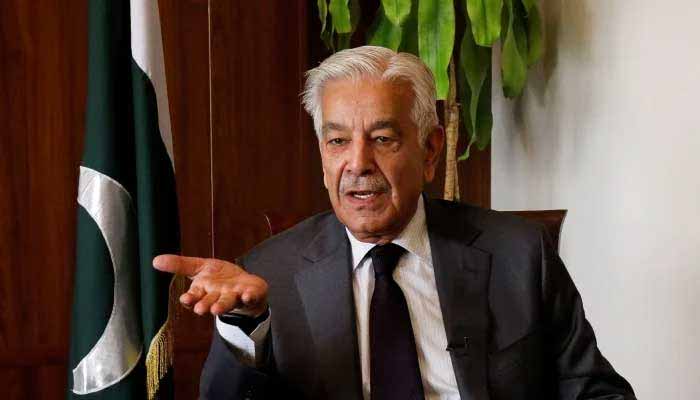
Pakistan’s Defence Minister Khawaja Muhammad Asif has suggested that the country may not require financial assistance from the International Monetary Fund (IMF) within the next six months. His remarks come amid a surge in defence procurement orders, which he believes will strengthen Pakistan’s economic outlook and reduce reliance on external lenders.
Speaking in Islamabad, Asif highlighted that Pakistan’s military capabilities were tested and proven during the May 2025 conflict with India. He noted that the confrontation not only validated the country’s defence strength but also earned global recognition, particularly for its aircraft and operational readiness.
According to Asif, the rise in defence orders reflects renewed confidence in Pakistan’s military and its ability to deliver. This momentum, he argued, could help stabilize the economy by generating revenue streams that lessen the need for IMF support.
The Defence Minister also linked regional security dynamics to Pakistan’s economic resilience. He claimed that militant groups such as the Tehreek-e-Taliban Pakistan (TTP) and Afghan Taliban have ties with India, framing Pakistan’s defence readiness as essential for both national security and economic stability.
While Pakistan has historically relied on IMF programs to manage fiscal challenges, Asif’s statement signals optimism that defence-related revenues and strategic partnerships could provide a buffer against future financial dependency.
Analysts caution, however, that while defence orders may boost short-term confidence, broader structural reforms remain critical for sustainable economic growth. Pakistan’s ability to balance military procurement with long-term fiscal discipline will determine whether IMF reliance can truly be reduced.
For now, Asif’s remarks underscore a narrative of resilience: Pakistan’s military strength is being positioned not only as a safeguard for national security but also as a potential driver of economic independence.
Comments (0)
No comments yet. Be the first to comment!
Leave a Comment