

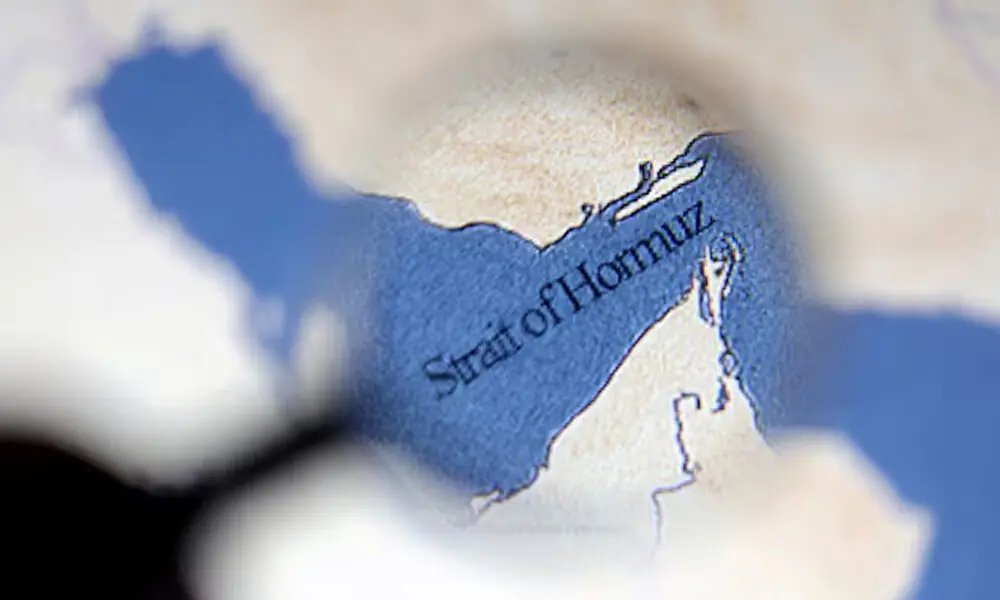
Tensions between Washington and Tehran reached a critical boiling point on Sunday as Iran’s Revolutionary Guards vowed to shut down the Strait of Hormuz if the United States follows through on threats to attack Iranian energy infrastructure. This drastic ultimatum follows a warning from President Donald Trump, who suggested he would target the country’s power plants unless the vital shipping lane was fully reopened within two days. The sudden exchange of threats has jolted global energy markets and signaled a dangerous new phase in a conflict that is now entering its fourth week.
The Iranian military leadership made it clear that their response would extend beyond simple maritime blockades to include direct strikes on corporate interests. In a strongly worded statement, the Revolutionary Guards warned that any companies with American shareholders would face total destruction if Washington initiated strikes against Iranian soil. They also expanded the scope of potential targets to include energy facilities located in neighboring countries that host U.S. military bases. This rhetoric suggests that a regional spillover is no longer just a possibility but a central part of Tehran’s defensive strategy.
The timing of this escalation is particularly striking given the mixed signals coming out of the White House over the weekend. Only a day before threatening to obliterate Iranian power stations, President Trump had publicly discussed the idea of winding down the ongoing hostilities. This rapid shift from talk of de-escalation to threats of total infrastructure destruction has left international observers scrambling to understand the administration’s current objective. The 48-hour deadline imposed by the U.S. has created an immediate countdown that many fear could lead to a direct military confrontation between the two nations.
Closing the Strait of Hormuz would have a devastating impact on the global economy, as the narrow waterway serves as the primary route for a significant portion of the world’s oil supply. Iran has long used the threat of a blockade as its ultimate deterrent against foreign intervention, knowing that a shutdown would trigger a massive spike in fuel prices worldwide. By explicitly linking the fate of the strait to the safety of its own energy sector, Tehran is attempting to leverage global economic stability to ward off an American air campaign. The situation is now a high-stakes standoff where one miscalculation could disrupt international trade for months.
Diplomatic channels appear increasingly strained as both sides double down on their respective positions without offering a clear path to negotiations. While international leaders have called for restraint, the specific nature of the threats against energy infrastructure and private corporations suggests a narrowing window for a peaceful resolution. As the 48-hour window highlighted by the U.S. president draws closer, the world is watching to see if either side will blink or if the region is headed for a much larger and more destructive conflict. The coming days will likely determine if this remains a war of words or transitions into a full-scale assault on the world’s energy heartland.
Comments (0)
No comments yet. Be the first to comment!
Leave a Comment