

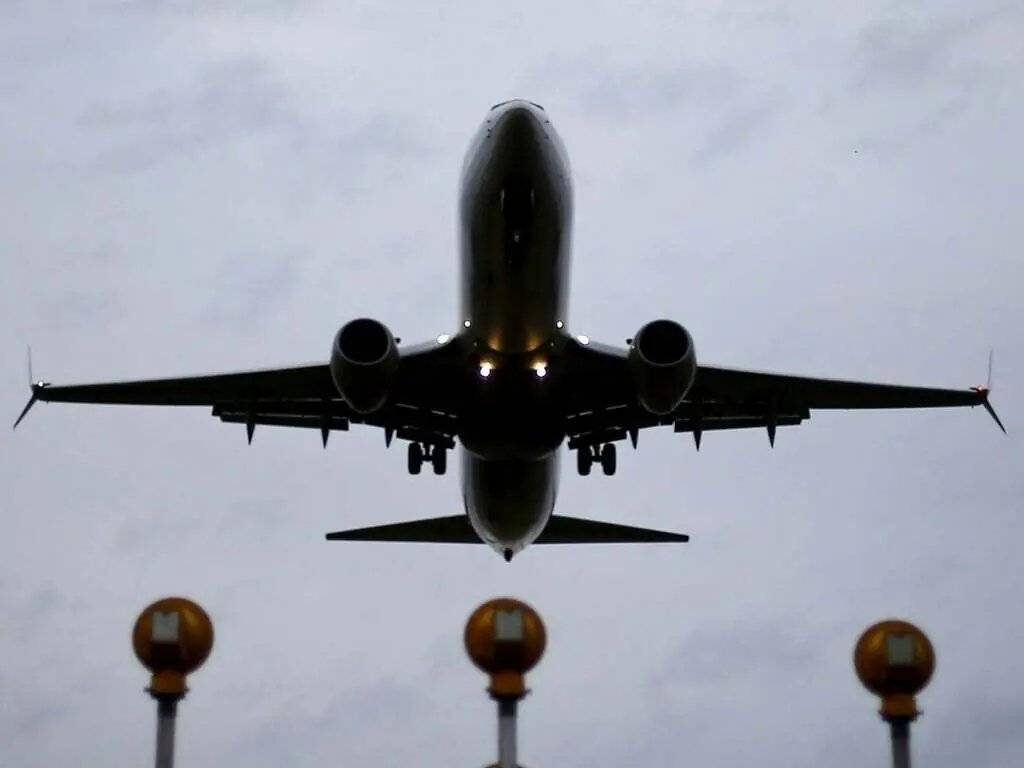
Major Indian airlines are formally requesting the federal government to scrap mandatory price ceilings on airfares as regional conflicts and rising operational costs threaten their financial stability. The Federation of Indian Airlines, which represents prominent carriers like IndiGo, Air India, and SpiceJet, warns that keeping these price caps in place could lead to the cancellation of several routes and a freeze on planned fleet expansions. The industry group argues that the current economic environment has shifted drastically since the limits were first introduced last December. Without the ability to adjust prices freely, many operators fear they will soon face unsustainable losses that could jeopardize their long-term survival in one of the world’s most competitive markets.
Air travel in the region has become significantly more expensive and complicated due to the ongoing conflict in the Middle East and neighboring airspace restrictions. Carriers are currently grappling with a double blow as the crisis in Iran forces planes to take much longer routes to reach destinations in Europe and North America. These detours are compounded by the continued ban on Indian-registered aircraft in Pakistani airspace, which has been extended further into April. Flying these extended paths requires significantly more fuel and crew time, yet airlines are unable to pass these mounting expenses on to passengers because of the government-mandated price ceiling of 18,000 rupees for one-way domestic trips.
The financial pressure is being driven largely by the volatile global energy market where jet fuel prices have spiked recently. Industry analysts suggest that even a minor increase in the price of a barrel of fuel can add billions of rupees to an airline’s annual expenses, putting immense strain on cash flow. For a company like IndiGo, which holds a massive share of the domestic market, these fluctuating costs make it nearly impossible to maintain profitability while prices remain capped at late-2023 levels. The airlines argue that the temporary operational issues that originally prompted the government to step in and regulate fares have long since stabilized, making the continued intervention unnecessary and harmful.
Beyond the primary concern of fare caps, the aviation group is also pushing back against recent directives regarding seat selection fees. The government currently requires that at least 60 percent of seats on any given flight be available to passengers without any extra charges for choosing a spot. Airlines claim that this restriction further limits their ability to generate the peripheral revenue needed to offset high fuel costs and taxes. They believe that removing these constraints would allow for a more market-driven approach, where pricing reflects the actual cost of operating a flight in a global economy currently defined by high inflation and geopolitical instability.
As of now, the civil aviation ministry has not issued a formal response to the private letters sent by the airline federation earlier this month. The silence from government officials leaves the industry in a state of uncertainty as they look toward the busy summer travel season. Most major carriers have declined to comment publicly on the matter, choosing instead to let their representative body handle the negotiations. If the government does not act soon to relax these regulations, passengers may see fewer flight options and reduced connectivity as airlines prioritize only the most profitable paths to keep their businesses afloat.
Comments (0)
No comments yet. Be the first to comment!
Leave a Comment