

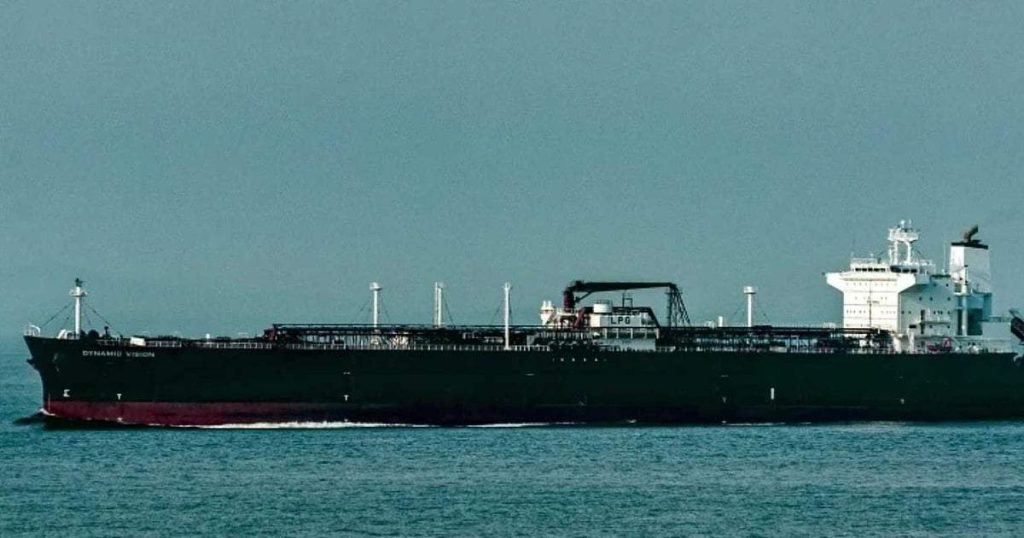
India is actively securing its cooking gas supply by increasing Liquefied Petroleum Gas imports from the United States, a strategic move to mitigate risks posed by escalating tensions in the Middle East. The Strait of Hormuz, a critical transit route for global oil and gas, has become a focal point of concern due to heightened Iran-US and Iran-Israel hostilities. This diversification of energy sources demonstrates India’s proactive diplomacy in ensuring domestic energy security.
The vessel ‘Pixis Pioneer,’ originating from Texas, recently docked at the Mangaluru port, delivering a substantial shipment of LPG. This arrival is part of a larger plan to bolster reserves as the situation in the Strait of Hormuz remains volatile. The region’s instability has led many ships to hold back, with concerns rising about potential disruptions to vital energy corridors.
Further bolstering India’s supply, another shipment is scheduled to arrive on March 25th aboard the Apollo Ocean, carrying 26,687 tons of gas for Indian Oil and Bharat Petroleum. Adding to this, a third vessel is expected on March 29th, also from the US, with 30,000 tons for HPCL. These shipments are crucial for maintaining uninterrupted service to millions of households.
Collectively, these incoming cargoes will deliver over 72,700 tons of cooking gas to Mangaluru within this week alone. The gas is destined not just for the local region but will flow through HPCL pipelines to power millions of kitchens across Southern India, including Bangalore and beyond. This ensures a stable supply chain is maintained despite the ongoing crisis impacting traditional shipping routes.
The consistent flow of LPG from the US underscores India’s successful diplomatic efforts to build alternative supply lines. While the situation in the Strait of Hormuz remains tense, these strategic imports are designed to prevent any domestic shortages, reassuring citizens that their cooking gas needs will be met. India’s foresight in diversifying its energy partners is proving vital in navigating complex geopolitical challenges.
Comments (0)
No comments yet. Be the first to comment!
Leave a Comment