

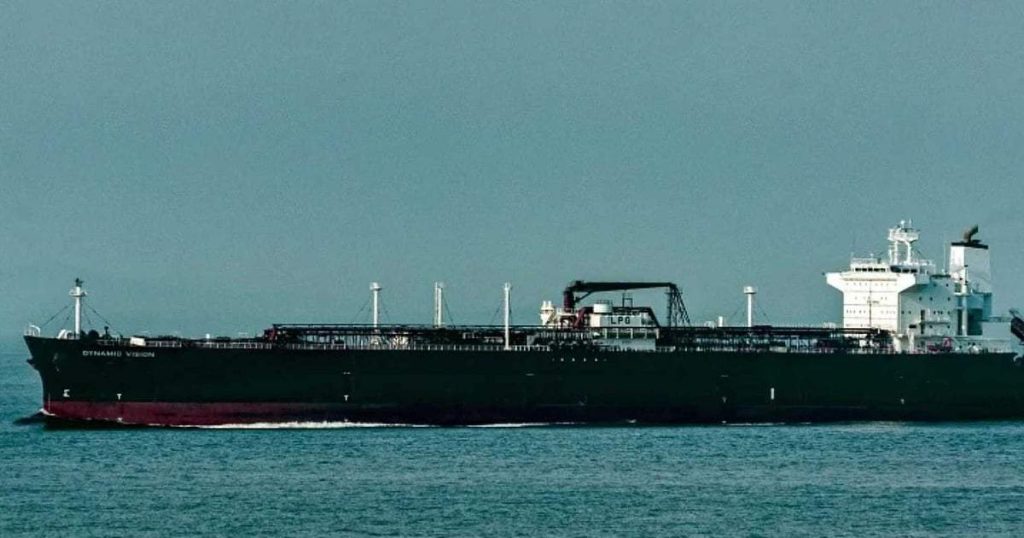
In response to escalating tensions and ongoing attacks on commercial vessels in the Strait of Hormuz, six key nations, including European powers and Japan, have indicated a willingness to collaborate on safeguarding maritime traffic. The joint statement from Britain, France, Germany, Italy, the Netherlands, and Japan signals a unified approach to ensuring safe passage through this critical global waterway. This international cooperation aims to restore normalcy and security for shipping, which has been severely disrupted by recent incidents.
The six nations emphasized the Strait of Hormuz’s vital role in the global energy supply chain, noting that a significant volume of crude oil and liquefied natural gas transits through its waters daily. Recognizing its strategic importance, they have declared that securing this passage is a shared regional and international priority. The statement also hinted at the possibility of implementing additional security measures if the situation continues to deteriorate and poses further threats.
These countries also voiced strong condemnation of recent Iranian-backed attacks, particularly those targeting energy infrastructure in Qatar and Saudi Arabia. The impacts of these assaults are already being felt, with Qatar’s energy company reporting a substantial reduction in its LNG export capacity, estimated to be around 17 percent. Such disruptions carry significant financial implications and contribute to global energy market instability.
The current precarious situation in the Strait of Hormuz has demonstrably affected international energy supply chains. Reports indicate that numerous cargo ships have begun avoiding the route due to drone and explosive boat attacks, while others are anchored offshore. This has created ripple effects, impacting economies like India, where energy availability and prices are experiencing volatility.
Amidst these concerns, the involved nations are also seeking to bolster connections with other energy-producing countries to explore ways of increasing output and stabilizing global markets. They have issued calls for Iran to cease its attacks and contribute to regional stability, highlighting the current environment as a serious challenge to international peace and security.
Comments (0)
No comments yet. Be the first to comment!
Leave a Comment