

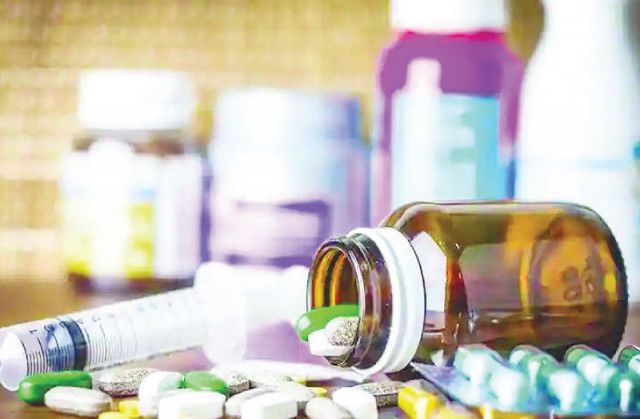
Rising Medicine Misuse Threatens Public Health in Sindh
Sindh is facing a growing health emergency fueled by the unchecked use of medicines. From antibiotics to multivitamins, unnecessary prescriptions and widespread self-medication are putting millions at risk.
Doctors across the province often prescribe supplements without medical need, leading patients to trust and purchase drugs that may weaken immunity over time. At the same time, pharmacies openly sell antibiotics, sedatives, and painkillers without prescriptions, despite laws requiring strict regulation.
This trend has worsened with inflation. Medicine prices have surged by nearly 75% in just two years, making life-saving treatments unaffordable for many families. Essential drugs for diabetes, heart disease, and psychiatric conditions have doubled in cost, leaving poor and middle-class patients struggling to survive.
Experts warn that the excessive use of antibiotics is accelerating resistance, while counterfeit supplements are flooding the market. The Pakistan Pharmacists Association has called for stronger surveillance and public awareness campaigns to curb misuse.
The crisis is also tied to Pakistan’s dependence on imported raw materials. Around 60% of pharmaceutical inputs come from India and 40% from China, leaving prices vulnerable to global shocks. Despite decades of reliance, Pakistan has yet to establish its own pharmacopoeia or local production capacity.
Mental health adds another layer to the problem. With nearly 34% of the population suffering from psychiatric conditions, demand for psychiatric medicines is soaring. Experts stress that without effective regulation, millions risk losing access to essential treatment.
Healthcare professionals are urging the Drug Regulatory Authority of Pakistan to take decisive action. Stronger oversight of prescriptions, pricing, and drug safety is critical to protect patients and ensure that essential medicines remain accessible.
Sindh’s health crisis is a stark reminder that unregulated medicine use not only drains household finances but also threatens the very foundation of public health.
Comments (0)
No comments yet. Be the first to comment!
Leave a Comment