

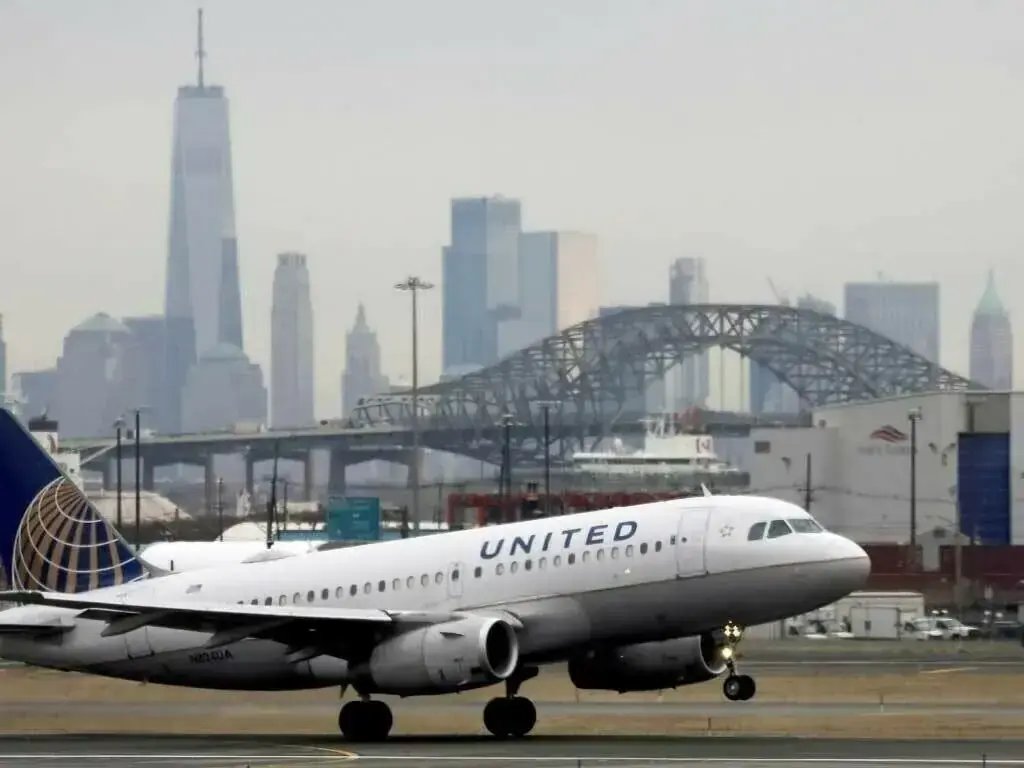
United Airlines is making strategic cuts to its flight schedule over the next two quarters as the company braces for a long-term surge in jet fuel prices. Chief Executive Scott Kirby informed employees in a internal memo on Friday that the airline must prepare for oil prices to remain significantly elevated through 2027 due to ongoing geopolitical instability. This proactive shift aims to protect the company from a massive spike in operating expenses that could easily wipe out its annual profits. While travel demand remains robust, the carrier is choosing to prioritize financial stability over expansive route maps during this period of uncertainty.
The company is particularly concerned about the possibility of oil climbing as high as 175 dollars per barrel in the coming years. If these extreme levels are reached, United could face an annual fuel bill of roughly 11 billion dollars, which is more than double the profit recorded during its most successful year. By trimming less profitable flights now, the airline hopes to mitigate the impact of these rising costs. Kirby emphasized that while the worst-case scenario might not happen, the downside of being unprepared for such an outcome is too great to ignore for the corporation.
Specifically, the airline plans to cancel about three percent of its off-peak flying during the second and third quarters of this year. These cuts will target midweek, Saturday, and overnight services where passenger demand is generally weaker. Additionally, United is reducing capacity at its major hub at Chicago O’Hare and keeping international service to Tel Aviv and Dubai suspended for the time being. In total, the airline will pull back about five percent of its planned capacity for the year to ensure every mile flown remains economically viable.
Despite these reductions, the broader aviation industry is seeing some relief through increased ticket prices. Strong demand for travel has allowed major US carriers to pass some of the higher fuel costs on to consumers without seeing a significant drop in bookings. This pricing power, combined with tighter capacity across the sector, helps soften the blow of the fuel shock triggered by global conflicts. Rival airlines are reportedly watching these trends closely and have indicated they possess similar flexibility to adjust their schedules if fuel remains expensive.
Looking ahead, United expects to return to its full flight schedule by the fall if market conditions stabilize as anticipated. The airline is currently operating in a landscape where most US domestic carriers do not hedge fuel costs, making them more vulnerable to sudden market swings. For now, the focus remains on trimming marginal routes and ensuring the business can weather a prolonged period of high energy costs. This cautious approach marks a shift in strategy as the industry moves from post-pandemic recovery to long-term economic durability.
Comments (0)
No comments yet. Be the first to comment!
Leave a Comment