

Understanding the Super Flu in Pakistan
Pakistan is witnessing a rise in flu cases, with health experts urging caution but stressing there’s no need to panic. The so‑called “super flu” is linked to influenza A (H3N2) and a new variant known as subclade K. While this strain has caused concern in Europe, doctors in Pakistan explain that the situation remains manageable with timely precautions.
What Makes This Flu Different
The World Health Organization confirms that influenza activity has increased globally. Subclade K, though genetically shifted, does not appear to cause more severe illness than previous strains. However, its early spread highlights the importance of vaccination and preventive measures.
Symptoms to Watch Out For
Flu symptoms often strike suddenly and more aggressively than the common cold. High fever, extreme fatigue, muscle pain, headaches, and dry cough are typical signs. Chills, sweating, and loss of appetite may also occur. Unlike a cold, which develops gradually, flu symptoms escalate quickly and can lead to complications if ignored.
Situation in Pakistan
Experts note that Pakistan’s younger population and established seasonal flu patterns may limit the severity compared to Europe. Still, hospitalisations are rising, especially among vulnerable groups such as children, the elderly, and those with chronic illnesses. Doctors emphasize that once flu develops into pneumonia, risks increase significantly.
Importance of Vaccination
Health specialists strongly recommend flu vaccination before winter begins. Vaccines reduce the chances of infection by up to 70 percent and are particularly vital for healthcare workers, older adults, and people with underlying conditions. Even though the current strain differs slightly from the vaccine formulation, protection against severe illness remains effective.
Preventive Measures
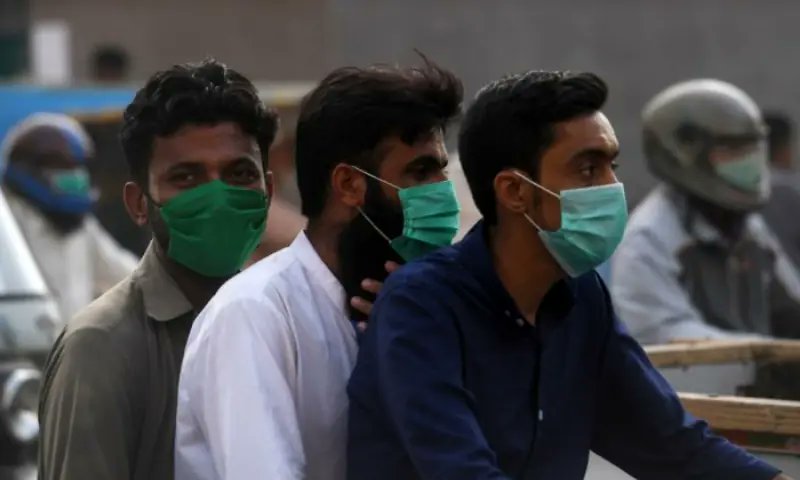
Simple steps can make a big difference. Wearing masks, washing hands frequently, and avoiding close contact with sick individuals are essential. Experts also advise rest, hydration, and nutritious food for recovery. Antibiotics are not effective against flu and should only be taken under medical guidance.
Regional Impact
Cities across Punjab, including Lahore, Gujranwala, Rawalpindi, and Faisalabad, are reporting sharp increases in flu cases. Children often act as “super‑spreaders,” transmitting the virus within households. Crowded markets, weddings, and multi‑storey living arrangements further accelerate transmission.
Expert Insights
Doctors stress that while the outbreak feels intense, it is not a pandemic threat. Vaccination, mask use, and managing chronic conditions remain the most effective strategies. Flu season peaks during winter, and timely precautions can help reduce hospitalisations and protect vulnerable groups.
Comments (0)
No comments yet. Be the first to comment!
Leave a Comment