

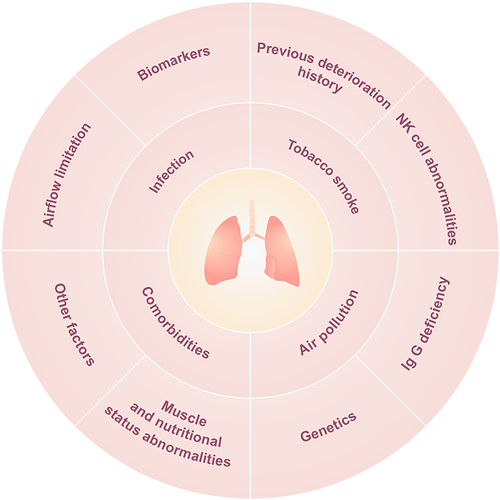
Chronic Obstructive Pulmonary Disease (COPD) is already a challenging condition, but when it worsens suddenly, the consequences can be devastating. These flare-ups, known as acute exacerbations of COPD (AECOPD), are a leading cause of hospital admissions, prolonged recovery, and in severe cases, death.
Understanding what drives these dangerous episodes and how they affect outcomes is essential for both patients and clinicians.
Who Is Most at Risk?
AECOPD doesn’t affect all patients equally. The elderly are especially vulnerable, as age naturally weakens lung function and immune defenses. But age alone isn’t the whole story comorbidities play a huge role.
- Ischemic heart disease (IHD): Patients with underlying heart problems face greater risks when COPD flares up. The added strain on the cardiovascular system can push them into critical danger.
- Diabetes: Metabolic imbalances make recovery harder, increasing hospital stays and complications.
- Kidney disease: Repeated hospitalizations for COPD are linked to worsening kidney function, sometimes leading to acute kidney injury (AKI).
For many patients, it’s not just one disease at play it’s the combination of conditions that creates a dangerous spiral.
What Triggers an Exacerbation?
AECOPD episodes are often triggered by external and internal factors. Some of the most common include:
- Respiratory infections (viral or bacterial) – the leading cause of sudden flare-ups.
- Air pollution – harmful particles and toxic air irritate already sensitive lungs.
- Psychological stress – anxiety and mental strain can make symptoms worse and increase vulnerability.
- Past flare history – patients who have been hospitalized for COPD before are more likely to face severe attacks again.
In essence, COPD exacerbations are rarely random. They’re usually the result of environmental stressors, poor air quality, or existing health burdens.
The Role of Smoking and Environmental Exposure
It’s no surprise that smoking remains the single largest contributor to COPD flare-ups. Current smokers, or those with a long history of tobacco use, are more likely to experience recurrent and more severe exacerbations.
But the risk doesn’t stop with cigarettes. Long-term exposure to dust, chemical fumes, and occupational hazards also significantly increases flare frequency, especially in regions with poor air safety standards.
When COPD Affects More Than Just the Lungs
While COPD is primarily a respiratory condition, its acute flare-ups affect far more than the lungs:
- The Heart: Exacerbations can push the body into a prothrombotic (clot-prone) state, raising the risk of heart attacks and cardiovascular complications. Elevated markers like troponin during severe flares are red flags for future heart disease.
- The Kidneys: Hospital-based exacerbations often lead to acute kidney stress and long-term decline in renal function.
- Overall Body Strain: Severe exacerbations weaken the immune system, trigger systemic inflammation, and leave the body more vulnerable to further complications.
This makes AECOPD a multi-system crisis not just a lung problem.
Key Risk Factors at a Glance
| Risk Factor | Impact on Outcomes |
|---|---|
| Elderly age | Higher hospitalization and mortality rates |
| Heart disease (IHD) & diabetes | Greater risk of complications, longer recovery |
| Past hospitalizations for COPD | Predicts future severe flare-ups |
| Infections & air pollution | Top triggers for acute episodes |
| Smoking & toxic exposures | Increases flare frequency and severity |
| Prothrombotic changes in blood | Higher cardiovascular risks |
Why This Knowledge Matters
Recognizing these risk factors isn’t just about statistics it’s about prevention and proactive care.
- For clinicians: Knowing which patients are at highest risk allows for closer monitoring, early interventions, and tailored treatment plans.
- For patients: Awareness means making lifestyle adjustments quitting smoking, managing comorbidities, and avoiding polluted environments that can dramatically lower flare frequency.
- For caregivers: Understanding triggers and complications helps in providing timely support when symptoms first appear.
Final Thoughts
Acute exacerbations of COPD represent one of the most dangerous turning points in a patient’s journey. They can escalate quickly, leading to hospitalization, long-term organ damage, and even death. But with better understanding, targeted prevention, and holistic care, these risks can be reduced.
For patients, it’s not just about managing COPD it’s about managing the whole health picture, from the heart and kidneys to mental well-being. For doctors, it’s about looking beyond the lungs to ensure comprehensive, life-saving care.
Takeaway: COPD exacerbations are preventable, manageable, and survivable when risk factors are recognized and addressed early.
Comments (0)
No comments yet. Be the first to comment!
Leave a Comment