

Punjab’s Leap Into Advanced Vascular Care
Punjab has entered a new era of healthcare with the successful introduction of advanced endovascular aneurysm repair (EVAR). This minimally invasive procedure was performed for the first time in Lahore, marking a historic milestone in Pakistan’s medical history.
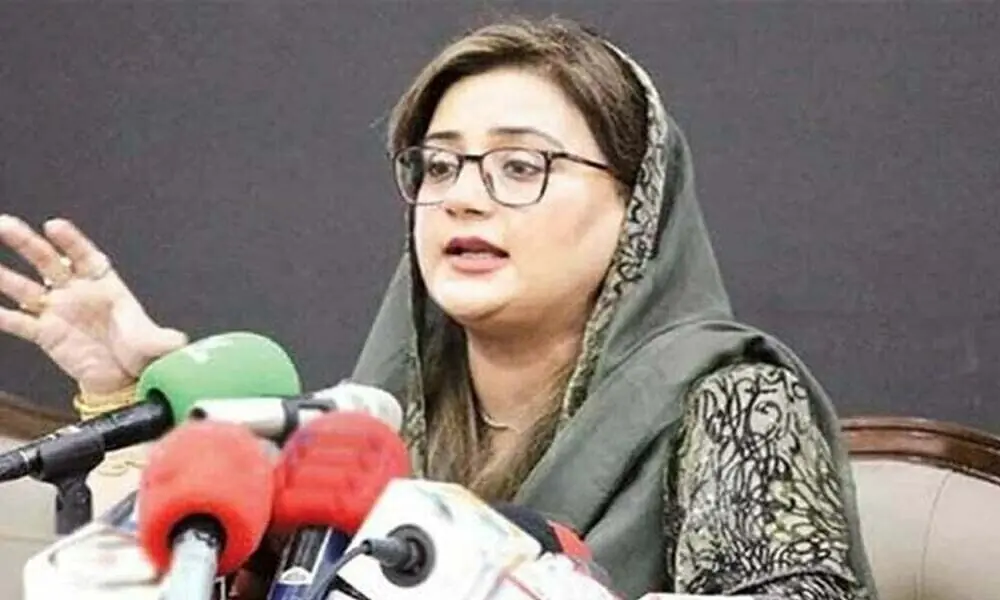
Provincial Minister for Information and Culture Azma Bokhari announced the achievement, extending New Year greetings while highlighting the province’s progress under Chief Minister Maryam Nawaz. She emphasized that this breakthrough doubles the joy of the new year, as citizens now have access to world-class vascular treatment without leaving the country.
The procedure was led by Dr. Habib Khan, an American-trained surgeon and the only USA board-certified Pakistani vascular specialist. His return to Pakistan has laid the foundation for modern vascular care, ensuring that patients with life-threatening conditions such as ruptured abdominal aortic aneurysms can now be treated locally.
EVAR involves placing a stent inside the artery to reinforce it internally, restoring safe blood flow. Unlike traditional open surgery, it eliminates the need for general anesthesia or ventilator support, offering faster recovery times and fewer complications.
Azma Bokhari noted that Pakistan, with its population nearing 300 million, has long needed this level of advanced care. The arrival of EVAR represents not only a medical achievement but also a step toward healthcare independence, reducing reliance on foreign treatment options.
Observers believe this milestone could pave the way for broader adoption of advanced medical technologies across Pakistan. By investing in expertise and infrastructure, Punjab is positioning itself as a leader in healthcare innovation, setting an example for other provinces.
This breakthrough underscores the importance of visionary leadership, skilled professionals, and modern technology in transforming healthcare. For patients, it means hope, safety, and access to treatments that were once out of reach.
Comments (0)
No comments yet. Be the first to comment!
Leave a Comment