

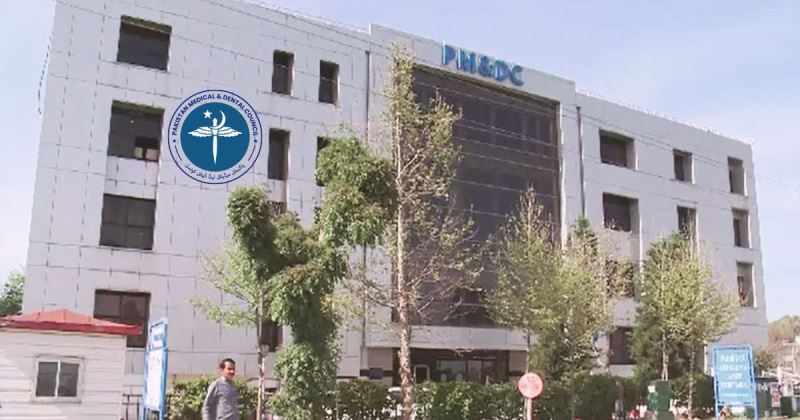
PMDC Tightens Licensing Rules for Foreign Medical Graduates in Pakistan
Strengthening Medical Education Through Reform In a decisive move to elevate healthcare standards, the Pakistan Medical and Dental Council (PMDC) has implemented key reforms under the PMDC Act 2022. Reconstituted in April 2023, the new council is focused on enhancing medical education both domestically and for Pakistani nationals studying abroad. These reforms aim to ensure patient safety and reinforce the integrity of the national health system.
Mandatory Licensing Exams for Foreign Graduates Under the PMDC Act 2022, foreign medical institutions must be assessed and recognized by the Council. Only graduates from these accredited institutions are eligible for provisional registration. However, full licensure is contingent upon passing the National Registration Examination (NRE), a standardized test designed to evaluate clinical competence and medical judgment.
Rigorous Evaluation of Foreign Institutions PMDC has launched a comprehensive review of foreign medical schools where Pakistani students are enrolled. Many institutions have failed to meet PMDC’s regulatory standards, prompting concerns about the quality of education. Despite pressure from graduates seeking provisional registration, PMDC remains firm in its stance: only those from recognized institutions will be considered.
Concerns Raised by Local Universities Medical universities in Punjab have voiced serious concerns regarding the academic preparedness of graduates from certain foreign institutions. These concerns have further validated PMDC’s decision to enforce strict licensing requirements, ensuring that only qualified professionals enter clinical practice.
Eligibility Criteria for NRE Graduates must come from institutions listed by the Educational Commission for Foreign Medical Graduates (ECFMG) to be eligible for the NRE. This aligns Pakistan’s standards with global practices—similar to the USMLE in the United States, PLAB in the UK, and MCCQE in Canada. These exams serve as a benchmark for clinical readiness and patient care competence.
Historical Context of Licensing Exams The requirement for licensing exams is not new. It dates back to the early 1990s under the PMDC Ordinance 1962. The Council has consistently upheld the principle that every doctor must demonstrate clinical proficiency before entering practice.
Global Standards and Local Assurance Medical authorities worldwide rely on licensing exams to ensure that practitioners possess the necessary skills and judgment. In Pakistan, the NRE plays a crucial role in maintaining public trust in the healthcare system. Patients deserve the assurance that every doctor has been rigorously evaluated, regardless of where they earned their degree.
Conclusion: A Commitment to Patient Safety PMDC’s renewed focus on licensing exams reflects its commitment to patient safety and healthcare excellence. By enforcing the NRE and recognizing only accredited foreign institutions, the Council is setting a high standard for medical practice in Pakistan. These measures not only protect patients but also uphold the reputation of Pakistani medical professionals on the global stage.
Comments (0)
No comments yet. Be the first to comment!
Leave a Comment