

Pakistan’s Waste Challenge and the Path to Sustainability
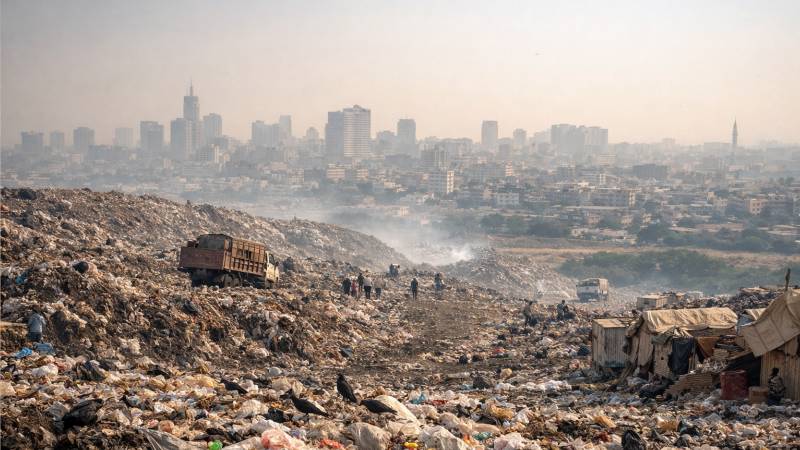
Pakistan is grappling with a mounting waste crisis that threatens public health, the environment, and urban livability. Overflowing landfills, unregulated dumping, and rising plastic pollution have turned waste management into one of the country’s most pressing challenges.
Rapid urbanization and population growth have intensified the problem. Cities like Karachi, Lahore, and Islamabad generate thousands of tons of solid waste daily, much of which ends up in open dumps or waterways. This not only contaminates soil and water but also contributes to greenhouse gas emissions.
Experts warn that without immediate action, the situation could spiral further out of control. Sustainable solutions are no longer optional—they are essential. Recycling programs, composting initiatives, and proper waste segregation can significantly reduce the burden on landfills. Encouraging households and businesses to adopt eco‑friendly practices is equally critical.
Government policies must prioritize green infrastructure and enforce stricter regulations on waste disposal. Public awareness campaigns can help shift mindsets, making citizens active participants in reducing waste. Collaboration between municipalities, private companies, and communities is key to building a circular economy where resources are reused instead of discarded.
The crisis also presents an opportunity. By investing in modern waste management systems, Pakistan can create jobs, improve urban environments, and move closer to sustainable development goals. Countries worldwide have shown that with the right mix of policy, innovation, and community engagement, waste can be transformed from a liability into a resource.
Pakistan’s waste challenge is urgent, but solutions exist. The path forward lies in collective responsibility, innovative thinking, and a commitment to sustainability that cannot wait.
Comments (0)
No comments yet. Be the first to comment!
Leave a Comment