

Pakistan Explores Thai Model for Affordable Healthcare
Pakistan is taking steps toward reshaping its healthcare system by studying Thailand’s Universal Health Coverage (UHC) model. The initiative aims to reduce out-of-pocket medical expenses, which currently average 53%, and make healthcare more accessible to citizens across the country.
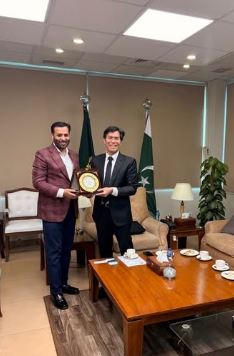
During a recent meeting in Islamabad, Thailand’s Ambassador Rongvudhi Virabutr and Pakistan’s Federal Minister of Health Syed Mustafa Kamal discussed expanding cooperation in health. The focus was on knowledge exchange, sustainability, and adopting Thailand’s successful UHC practices.
The Thai model emphasizes preventative healthcare, reducing hospital admissions, and expanding primary care through community-based approaches such as village health volunteers. Pakistan’s health ministry sees this as a pathway to strengthen its public health system and ensure equity in medical services.
Minister Kamal praised Thailand’s achievements in building a world-class healthcare system and expressed interest in applying similar strategies in Pakistan. He highlighted that UHC and preventative measures are already key objectives of Pakistan’s Ministry of National Health Services, Regulations and Coordination.
The talks also touched on medical tourism, with Thailand positioning itself as an affordable destination offering advanced technology and skilled professionals. This could provide Pakistani patients with access to high-quality treatments abroad while strengthening bilateral health ties.
This collaboration marks an important step toward building a long-term health partnership between Pakistan and Thailand. By learning from Thailand’s UHC success, Pakistan hopes to reduce medical costs, improve access, and create a more resilient healthcare system for its people.
Comments (0)
No comments yet. Be the first to comment!
Leave a Comment