

Antibiotic Misuse Fuels Pakistan’s Superbug Threat
Pakistan is facing a growing public health emergency as experts warn that antimicrobial resistance could claim more than 262,000 lives by 2050. The alarming projection stems from unchecked antibiotic misuse and the rise of hospital superbugs that are increasingly resistant to treatment.
Federal health authorities have identified critical pathogens—including drug-resistant tuberculosis, sepsis-causing bacteria, ventilator-associated pneumonia, and difficult-to-treat urinary infections—as major threats to the nation’s healthcare system. These infections are becoming harder to manage, leading to rising treatment failures and preventable deaths.
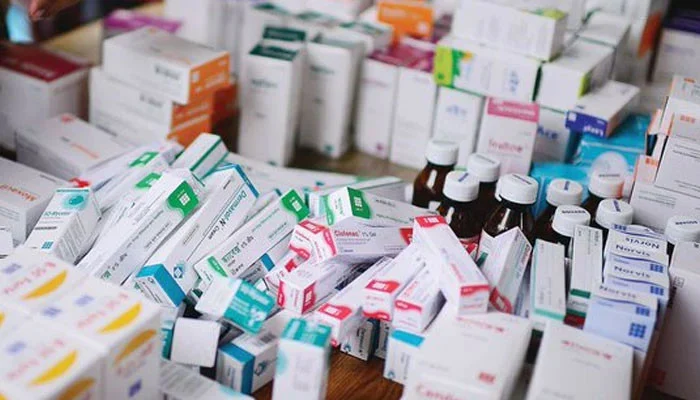
One of the biggest drivers of this crisis is the unregulated sale of antibiotics. Pharmacies across the country often dispense powerful drugs without prescriptions, fueling resistance and weakening the effectiveness of life-saving treatments. This misuse has created an environment where bacteria evolve rapidly, rendering standard medicines ineffective.
Experts stress that Pakistan must urgently strengthen its healthcare regulations. Restricting over-the-counter antibiotic sales, improving hospital infection control, and investing in public awareness campaigns are essential steps to curb the spread of resistant pathogens.
The looming death toll underscores the need for immediate action. Without reforms, Pakistan risks a future where common infections become untreatable, placing immense strain on hospitals and families alike. Addressing antimicrobial resistance today is critical to safeguarding the nation’s health for generations to come.
Comments (0)
No comments yet. Be the first to comment!
Leave a Comment