

PBS Data Highlights Rising Costs in Health and Education
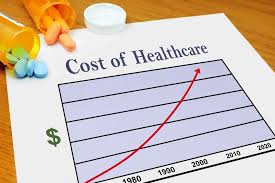
The Pakistan Bureau of Statistics (PBS) has reported a significant surge in the cost of health and education services across the country, reflecting growing inflationary pressures on essential sectors.
In urban areas, health services became 6.99% more expensive within a month. Medicines saw a 6.94% increase, while therapeutic appliances and medical equipment rose by 2.19%. Doctor consultation fees climbed 7.37%, dental services surged 8.36%, and medical tests jumped 10.72%. Hospital services also recorded a 5.21% rise.
The education sector in cities witnessed an 8.24% increase, adding further strain on household budgets.
In rural areas, the situation was even more pronounced. The cost of medicines rose by 8.35%, doctor’s clinic fees surged 16.16%, dental services increased by 17.13%, and medical tests climbed 11.13%. Hospital services became 6.88% costlier, while education expenses jumped 11.22%. Stationery items also saw a 2.27% rise.
The PBS report underscores that both urban and rural populations are facing steep monthly increases in essential health and education-related services, highlighting the widespread impact of inflation.
Separately, PBS data revealed that Pakistan’s trade deficit widened to $2.75 billion in July 2025, marking a 16.02% increase compared to June 2025. However, exports showed positive momentum, rising 16.91% year-on-year, with July 2025 exports recorded at $2.697 billion compared to $2.307 billion in July 2024.
These figures reflect the dual challenge of rising domestic service costs and external trade imbalances, underscoring the need for targeted policy interventions to stabilize the economy and protect households from further financial strain.
Comments (0)
No comments yet. Be the first to comment!
Leave a Comment