

Pakistan’s Healthcare Transformation: From Sick Care to True Healthcare
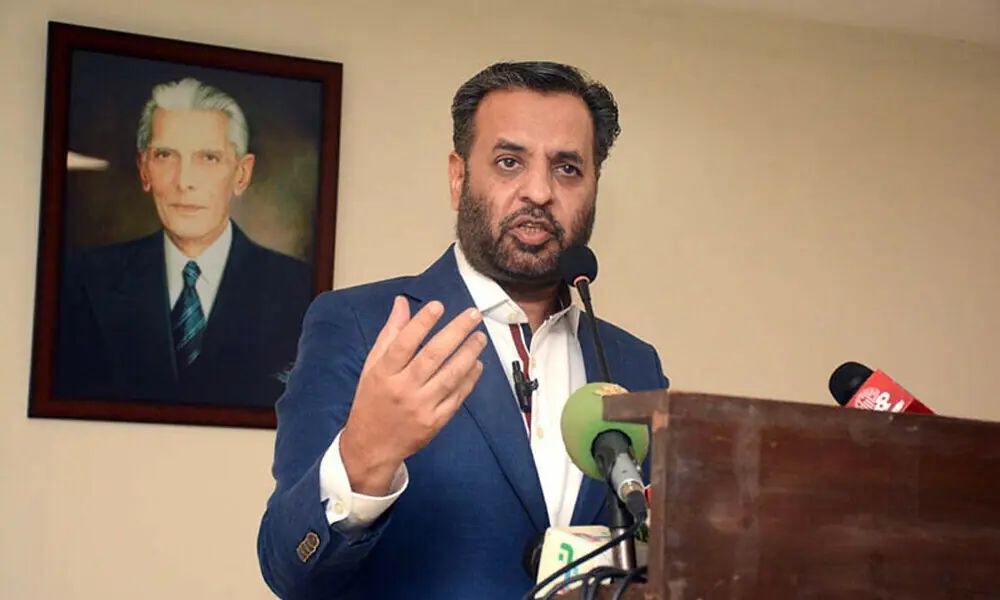
Federal Minister for National Health Services and Regulations, Mustafa Kamal, has reaffirmed that improving Pakistan’s healthcare system is at the heart of government priorities. Speaking at the inauguration of a one-megawatt solar power system at the Expanded Programme on Immunization (EPI) warehouse, he highlighted how this initiative marks a major step toward building a resilient and sustainable health infrastructure.
Kamal explained that vaccination is the most effective way to prevent future diseases, and uninterrupted cold chain storage is vital for safeguarding millions of children. With solar power ensuring reliable electricity, vaccines can remain safe even during emergencies or power outages. This project, supported by UNICEF and Gavi, reflects strong collaboration between Pakistan and international partners.
Currently, Pakistan vaccinates against 13 diseases under its national immunization programme, all provided free of cost. The inclusion of the HPV vaccine in the schedule demonstrates the government’s commitment to expanding protection. However, Kamal cautioned that global vaccine assistance is expected to end by 2030, which could raise Pakistan’s vaccine expenditure from $400 million to $1.2 billion. Strategic planning and sustainable investment will be essential to absorb this financial burden.
The minister stressed that health is a matter of national security, recalling how even developed nations struggled during the COVID-19 pandemic. He cited World Health Organization estimates that 13 million Pakistanis were pushed below the poverty line due to illness-related expenses, underscoring the urgent need for a comprehensive healthcare system that begins at birth.
Progress is already visible through the Universal Health Insurance scheme, which has benefited over 11,600 citizens in Islamabad, Azad Jammu and Kashmir, and Gilgit-Baltistan. To reduce overcrowding at major hospitals like PIMS and Polyclinic, treatment facilities have been expanded to 13 additional hospitals.
Officials from UNICEF and Pakistan’s health sector praised the solarisation of vaccine warehouses as a transformative step in modernizing immunization. With continued reforms, Pakistan aims to shift from reactive sick care to proactive healthcare, ensuring better access, affordability, and resilience for its citizens.
Comments (0)
No comments yet. Be the first to comment!
Leave a Comment