

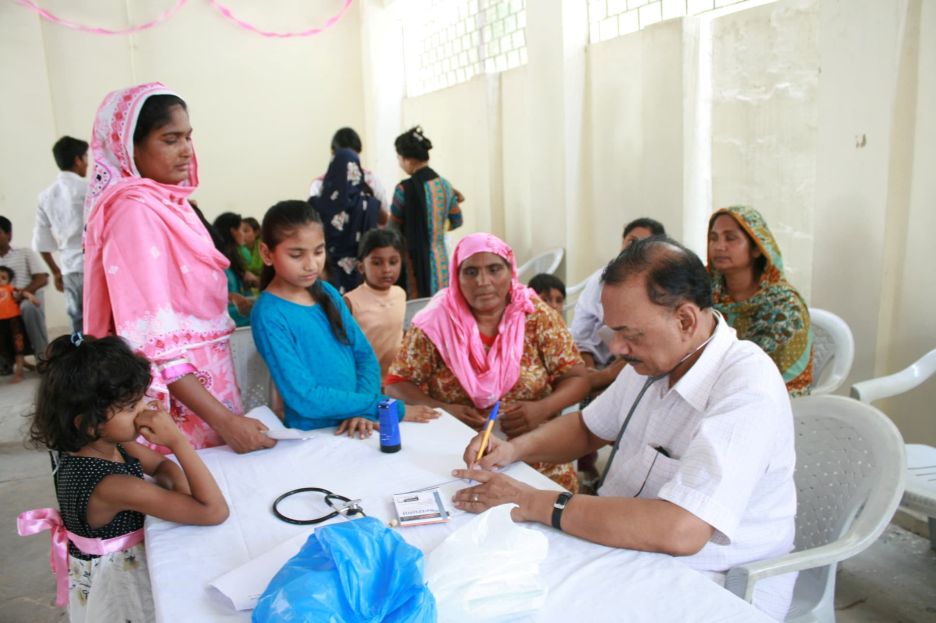
Pakistan’s Healthcare System on the Brink of Collapse
Pakistan’s health sector is facing an unprecedented crisis, with experts warning that the system is no longer under strain but in complete disarray. The Pakistan Medical Association’s Health of the Nation 2026 report paints a grim picture of preventable deaths and systemic failures that demand immediate government action.
Every day, 675 newborns and 27 mothers die from avoidable causes. These tragedies are not acts of fate but clear indicators of governance breakdown. Unsafe drinking water remains the silent killer, responsible for nearly 40% of annual deaths and linked to 30% of reported diseases nationwide. Diarrhoea continues to claim the lives of infants and young children, while one in five Pakistanis suffers from a water-related illness.
The burden extends beyond waterborne diseases. Pakistan carries the heaviest global burden of hepatitis C, among the highest rates of heart disease in South Asia, and the highest incidence of breast cancer in Asia. These figures highlight the neglect of prevention and primary care.
The rise of extensively drug-resistant typhoid in Karachi and Sindh demonstrates how unsafe water, unregulated antibiotic use, and weak public health oversight converge to create infections that are harder and costlier to treat. Similarly, the rapid growth of HIV infections — up 200% in 15 years — has made Pakistan the fastest-growing epidemic in the WHO Eastern Mediterranean Region, with an estimated 350,000 people living with HIV, most unaware of their status.
Adding to the crisis is the unchecked rise in medicine prices and the shortage of 80 essential life-saving drugs, including insulin. Families are being forced to choose between food and treatment, exposing the state’s failure to meet its basic responsibilities. Environmental degradation, including toxic air pollution, has further compounded the public health emergency.
The PMA has urged the government to declare a national health emergency, raise health spending to at least 3% of GDP, freeze life-saving drug prices, crack down on black markets, and prioritize clean drinking water. These are not radical demands but minimum obligations that must be met to prevent further loss of life.
Without urgent intervention, Pakistan’s healthcare crisis will deepen, exacting an even heavier toll on its citizens. The time for action is now — before more lives are lost to preventable causes.
Comments (0)
No comments yet. Be the first to comment!
Leave a Comment